Buying Income Property · 9 min read · Updated June 2026
How to Find Value-Add Real Estate Opportunities in San Antonio
Value-add real estate is the gap between what a property does today and what it could do with focused work. In San Antonio that often means below-market rents, deferred cosmetic condition, weak management, or unused square footage. This guide walks through how I help investors source and screen value-add candidates without overpaying for the story.

1. What 'value-add' actually means
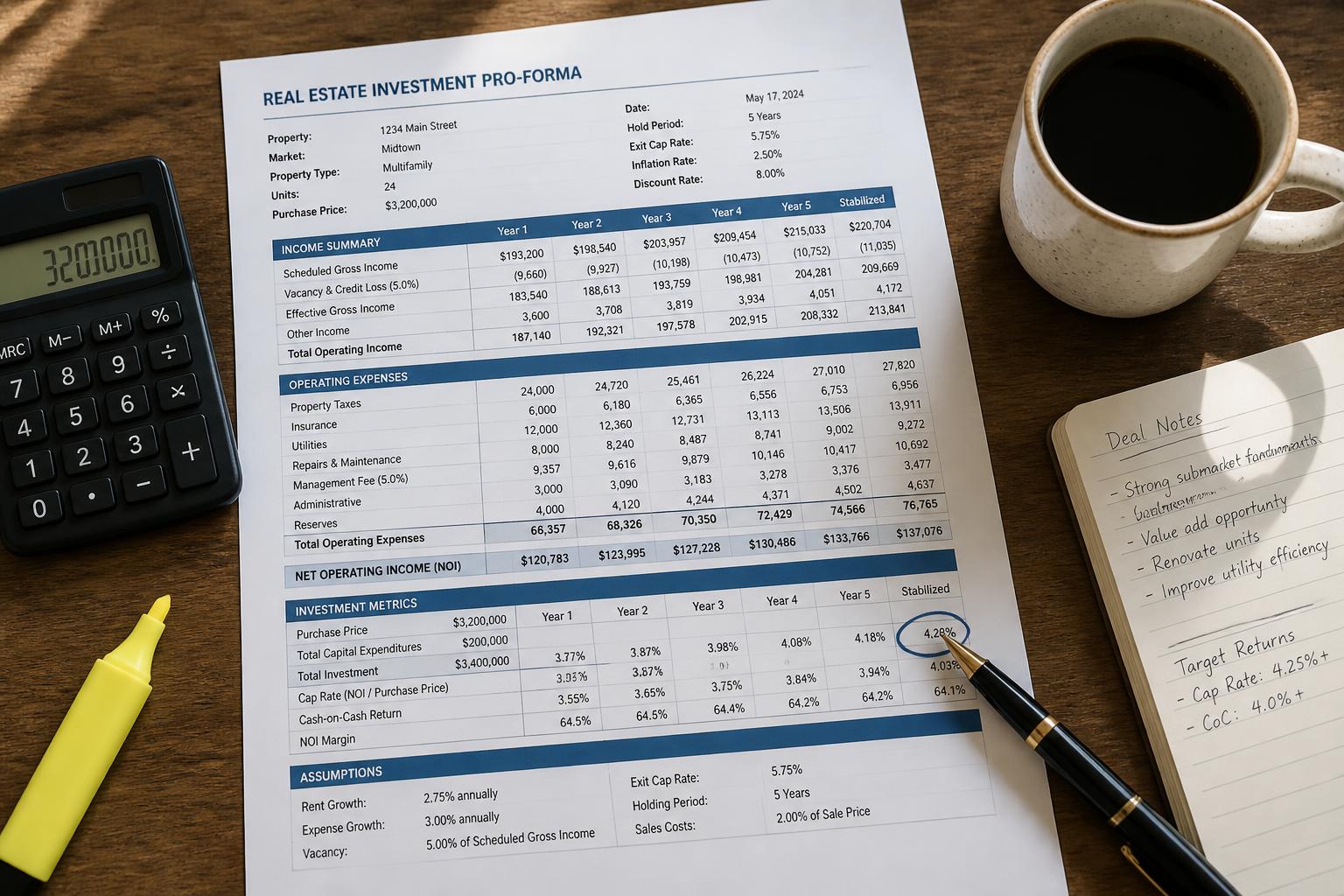
Value-add is not a magic word — it's a measurable change in net operating income. Lift rents to market, trim operating expenses, fix a vacancy problem, or add a usable unit, and NOI rises. At a 6% cap, every extra $1,000 of annual NOI is roughly $16,700 of value.
If you can't write the value-add thesis in one sentence with a number attached, it isn't a thesis yet.
2. Where value-add hides in San Antonio
Common patterns: tired small multifamily near improving corridors, single-family rentals held by long-term landlords at $200–$400 under-market rent, mixed-use buildings with vacant upstairs apartments, and storage facilities running at 70% occupancy with thin marketing.
Look where ownership has been long, photos look dated, and marketing is minimal. Those listings often have the largest gap between current and possible NOI.
3. Sourcing channels worth using
MLS for residential 1–4 unit, Crexi and LoopNet for commercial and 5+ units, county appraisal records for absentee owners, and direct outreach for tired-looking properties along improving corridors.
AI-assisted research helps organize and screen these sources faster — pulling listings into a single sheet, flagging price-per-door outliers, and surfacing properties where rent looks soft versus comps.
Next read: What Makes a Property Investment-Friendly in San Antonio?
4. Underwrite the upside conservatively
Build two pro formas: current actuals and stabilized. The gap is the value-add. Use conservative rent comps, real renovation bids (not Zillow estimates), and a realistic stabilization timeline of 6–18 months.
Hold a reserve for surprises. Value-add deals lose money in the months between purchase and stabilization — plan for that, don't hope past it.
5. Confirm the assumptions can be executed
A renovation plan is only as good as the contractor who'll execute it. Get bids during option period, confirm permit feasibility with the city, and verify your insurance carrier will write the policy after renovation.
An ADU pro forma fails fast if zoning says no. A rent-bump thesis fails fast if local tenants can't actually pay the new rent.
Next read: What Makes a Property Investment-Friendly in San Antonio?
6. Exit before you enter
Decide whether the exit is refinance and hold, sell to an investor at a stabilized cap, or sell to an owner-occupant. Each exit values the property differently, and your renovation scope should match.
Over-renovating a rental for an investor exit is a common way value-add returns evaporate.
Key takeaways
What to remember.
- Write the value-add thesis in one sentence with a dollar amount.
- Build two pro formas — current and stabilized — and underwrite the gap.
- Verify renovation feasibility with a real bid and a city call.
- Match the renovation scope to the exit buyer.
FAQs
Frequently asked questions.
What is value-add real estate?
Property where focused work — renovation, lease-up, expense reduction, or use change — can lift net operating income and therefore market value. The 'add' is measurable, not aspirational.
Where do I find value-add deals in San Antonio?
MLS for small residential, Crexi and LoopNet for commercial, county records for absentee owners, and direct outreach to tired properties along improving corridors. AI-assisted research helps screen the volume.
How much should I reserve for a value-add project?
Plan for the renovation bid plus a 15–25% contingency, plus 6–12 months of carrying costs and lost rent during stabilization.
Is value-add only for experienced investors?
Bigger projects are. Small cosmetic value-add — paint, fixtures, landscaping, tenant turn — is reasonable for newer investors with a strong contractor and a conservative budget.
Can AI help find value-add properties?
Yes — for organizing data, screening listings against criteria, and flagging outliers. Human judgment, local context, and a REALTOR®'s on-the-ground review still close the deal.