Rental Properties · 11 min read · Updated June 2026
How to Buy Investment Property in San Antonio
Buying investment property in San Antonio is one of the most accessible entry points into U.S. real estate in 2026. Strong rental demand, broad inventory across single-family, duplex, fourplex, and small commercial, and no state income tax create a market where a disciplined investor can build real cash flow without overextending. Here is the buying process I run with clients from first conversation to closed transaction.

1. Define your investor profile before browsing listings
Cash-flow, appreciation, tax-shelter, and lifestyle buyers all want different San Antonio properties. Name the goal, hold period, target cash-on-cash, and acceptable management load before you open the MLS.
Out-of-state buyers should also decide self-manage vs. property-management upfront — it changes the submarkets that work.
2. Lock in financing — two quotes, always
Most investor purchases in San Antonio use one of: 20–25% down conventional investment loan, DSCR loan (qualifies on property income), portfolio loan from a local bank, or seller-financing on smaller assets. Each prices differently for the same property.
Get one quote from a national investor-friendly lender and one from a San Antonio community bank. Rate spreads of 0.5–1.0% are common and reshape what you can buy.
3. Pick submarkets with rental demand you can name
Cash-flow submarkets: Northwest Side (78228, 78240), parts of the Northeast, near-Lackland, and pockets of South Side. Appreciation-leaning: Stone Oak, Alamo Heights edges, Boerne, Bulverde, Helotes.
For every submarket, validate: average rent on the last 90 days of leases, vacancy timeline, school ratings, and 1-year property-tax trend. Three submarkets named with rationale beats 'I'll look anywhere.'
Next read: How to Buy Your First Rental Property in San Antonio
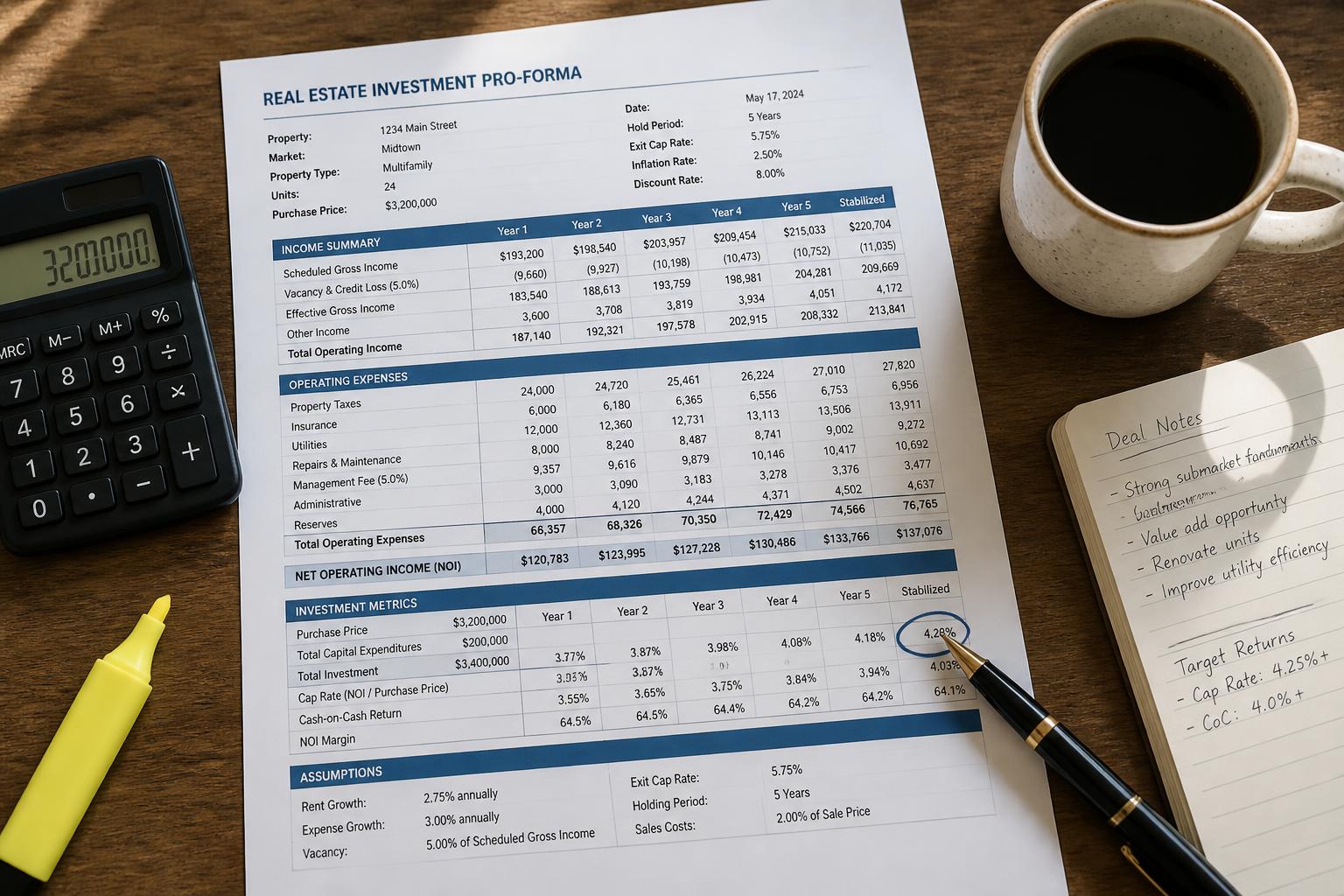
4. Underwrite every property the same way
Build one spreadsheet: gross rent → vacancy (5–8%) → operating expenses (taxes at reassessed value, insurance, management 8–10%, repairs, capex reserve) → NOI → debt service → cash flow → cash-on-cash.
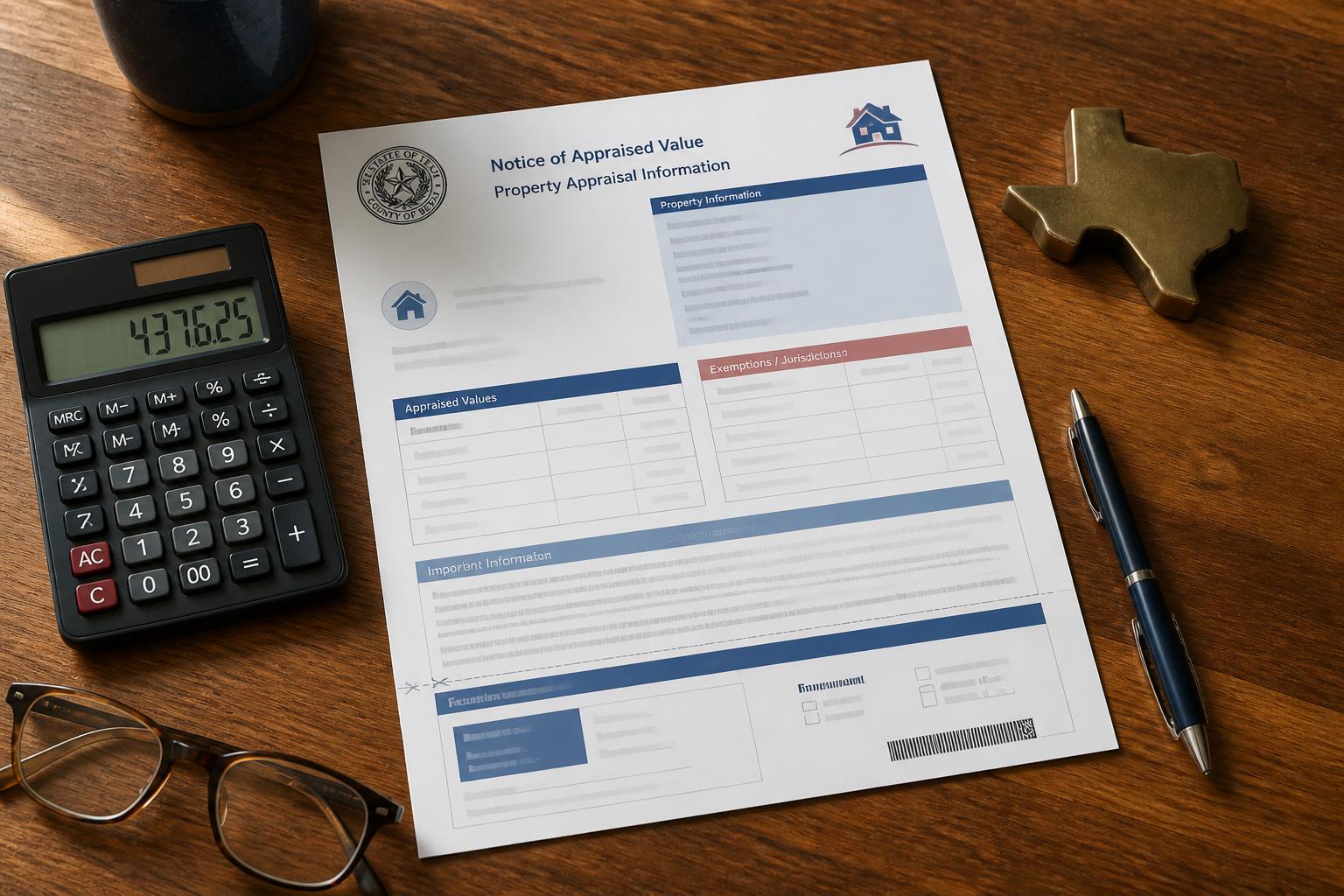
Texas property taxes are the most common miss for out-of-state investors. Always model taxes at the price you're paying, not the seller's current bill — the county will reassess.
5. Find off-market and AI-sourced deals
The MLS is a starting point; better deals often surface from agent networks, direct-mail, wholesaler relationships, and increasingly from AI-assisted deal sourcing that scans MLS, rental data, and tax records for mispriced inventory.
Plan for 30–60 underwrites for every offer, and 3–5 offers for every accepted contract in this market.
Next read: How to Buy Your First Rental Property in San Antonio
6. Use the option period like a real diligence window
Texas option periods are short (5–10 days typical). In that window: general inspection, foundation review if any signs, roof/HVAC age, sewer scope on older homes, rent verification, lease audit if occupied, and contractor walkthrough for any planned value-add.
Treat it as the most important week of the transaction — almost every avoidable bad deal could have been killed for $300 in option period.
7. Close clean and onboard the asset
Insurance bound, utilities in your name (or tenant-confirmed), property-management agreement signed, rent collection set up, and a 90-day capex/turn plan in writing. The first 60 days set the tone for the entire hold.
Key takeaways
What to remember.
- Name your investor profile before you browse.
- Get two lender quotes — they routinely differ by 0.5–1.0%.
- Model Texas property taxes at reassessed value, not seller's bill.
- Treat the option period as your real diligence window.
FAQs
Frequently asked questions.
How much money do I need to buy investment property in San Antonio?
Plan for 20–25% down plus ~3% closing costs and 3–6 months of reserves. On a $260K property that's roughly $60–80K all-in. DSCR products, partnership structures, or seller-financing can lower the personal-capital requirement.
What's the best neighborhood in San Antonio for investment property?
There is no single best — it depends on goal. Cash-flow buyers look at Northwest Side, near-Lackland, and pockets of the Northeast. Appreciation buyers lean Stone Oak, Boerne, Bulverde, and Helotes. The right submarket is the one whose math fits your investor profile.
Can I buy investment property in San Antonio from out of state?
Yes — a large share of San Antonio investors are out-of-state, especially from California, the Pacific Northwest, and the Northeast. Plan for a local property-management relationship before closing, and use a Texas REALTOR® who can run boots-on-the-ground diligence.
Is it better to buy single-family or small multifamily in San Antonio?
Single-family is simpler to finance and sell. Small multifamily (2–4 units) usually delivers stronger cash-on-cash but smaller buyer pool on exit. New investors often start single-family, then scale to duplex/fourplex once management is dialed in.
How do I find off-market investment property in San Antonio?
Build relationships with investor-focused agents, target direct-mail campaigns in your submarket, work the wholesaler community, and use AI-assisted sourcing to flag mispriced MLS inventory. Most off-market deals come from being on someone's call list — not from passive search.