Sellers · 7 min read · Updated June 2026
How to Sell an Income-Producing Property in San Antonio
Selling income property in San Antonio is a different exercise than selling a home. The buyer pool is smaller and more analytical, the marketing is financial, and pricing has to reflect what the property earns — not what comparable buildings sold for. Here's the sequence I use with seller clients.
1. Define the most likely buyer
Owner-occupants pay for space; investors pay for cash flow. A small mixed-use building can sell to either — but they don't see the same value. The marketing strategy is built around the most likely buyer.
2. Price on stabilized NOI
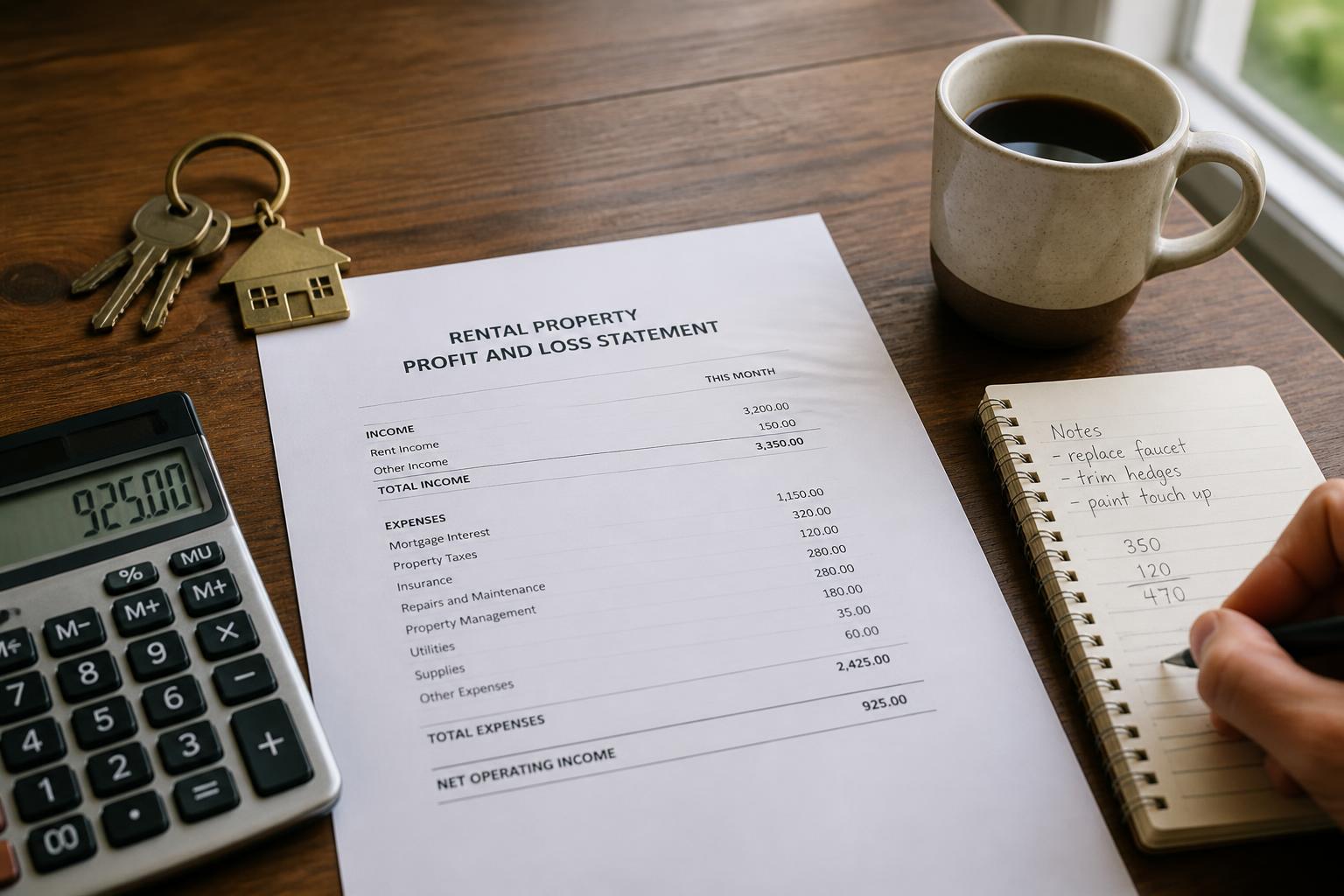
Build a defensible NOI from actuals, apply a market cap rate for the asset class and submarket, and acknowledge the upside narrative separately. Pricing on hope produces showings; pricing on math produces offers.
3. Prepare the package before listing
T-12, rent roll, tax bills, insurance, CapEx log, vendor list, surveys. Have everything in a single, organized data room. Strong investor buyers expect to receive it the day they ask.
4. Market to the right channels
Investor email lists, local syndicators, exchange buyers, MLS for residential rentals, and AI-assisted targeted outreach for niche assets like storage and RV parks. Generic MLS-only listings underperform on income property.
5. Negotiate around structure, not just price
In a higher-rate environment, seller financing, lease-options, and assumption of existing debt can produce a stronger net than a higher headline price with conventional financing.
Key takeaways
What to remember.
- Identify the most likely buyer before you market.
- Price on actual NOI and a market cap rate.
- Prepare a complete data room before launch.
- Negotiate structure, not just price.
FAQs
Frequently asked questions.
How long does it take to sell an investment property in San Antonio?
Stabilized rentals and small commercial typically go under contract in 45–90 days. Storage, RV parks, and larger commercial usually take 90–180 days due to longer diligence.
Should I sell occupied or vacant?
Investor buyers pay more for performing, occupied properties. Owner-occupants want vacant. Match the strategy to the most likely buyer.
Do I have to use the MLS?
Not always. For some investment properties, a targeted off-MLS process produces a better net by avoiding price-anchoring days-on-market dynamics.