Tax Strategy · 10 min read · Updated June 2026
How to Invest with a 1031 Exchange in Real Estate
A Section 1031 exchange lets you sell investment real estate and roll 100% of the proceeds into another investment property without paying capital gains or depreciation recapture tax. The mechanics are unforgiving — miss a deadline by a day and you owe the full tax bill — but the upside compounds across an entire investing career. Here is how it actually works and how I run it for Texas clients.
1. What qualifies as a like-kind exchange
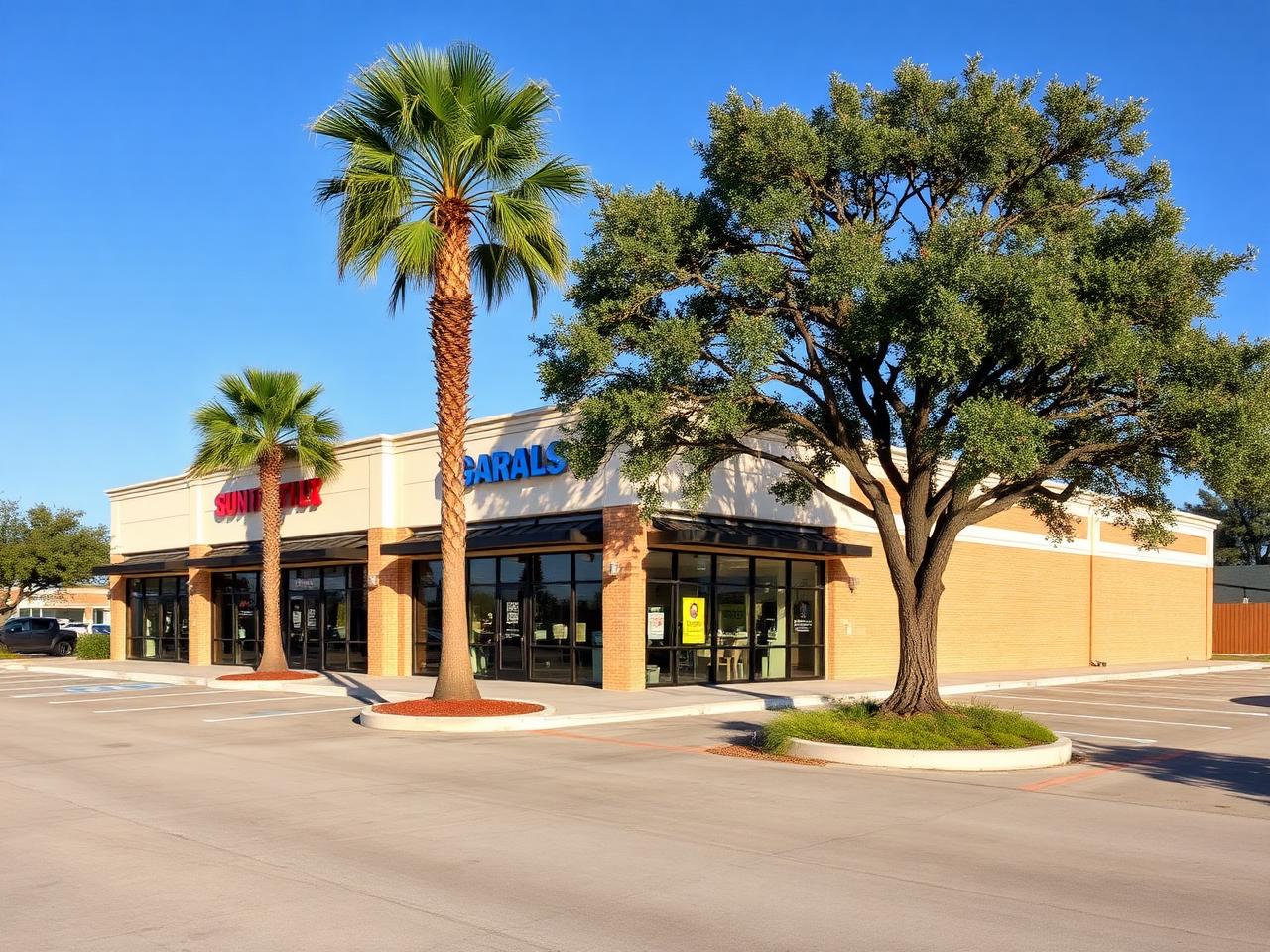
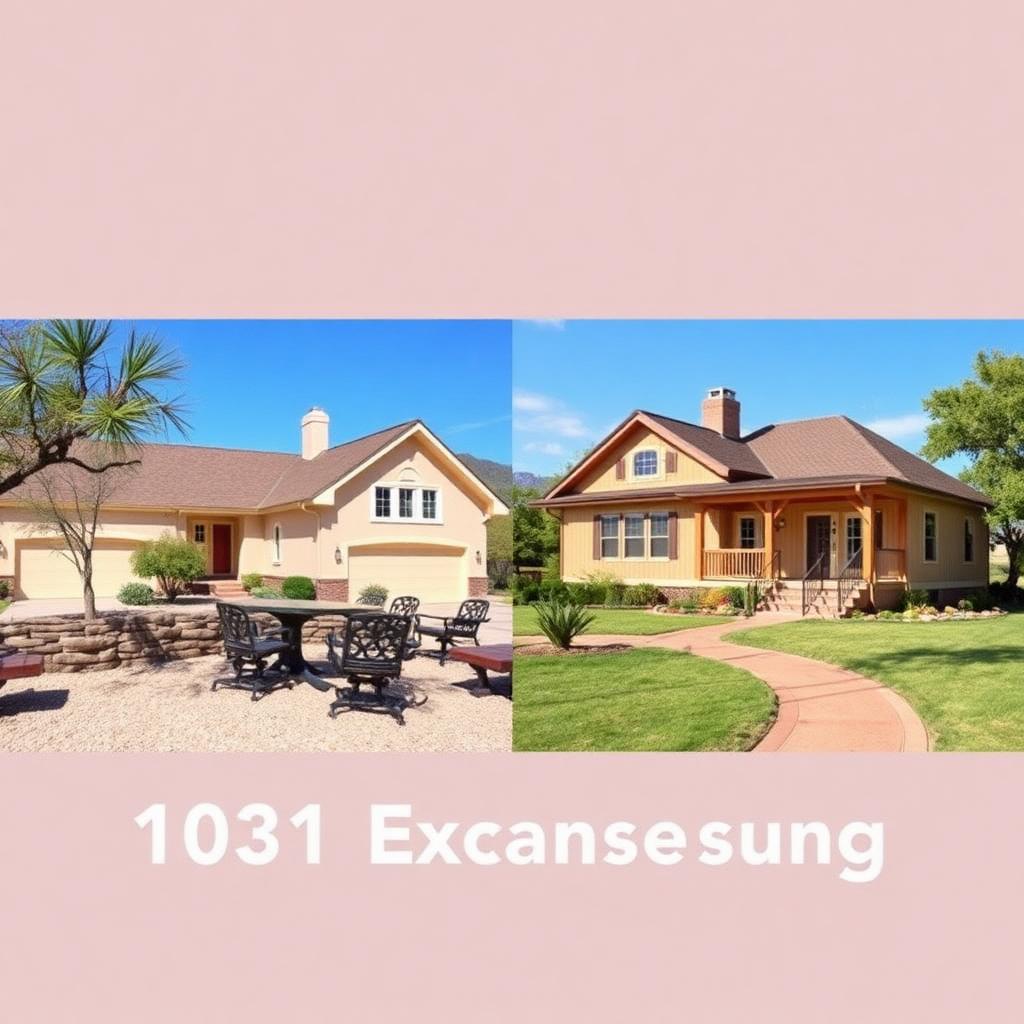
Both properties must be held for investment or productive use in a trade/business. 'Like-kind' is broad: a duplex for raw land, a strip retail for a self-storage facility, a Texas rental for an apartment in Florida — all qualify.
What does NOT qualify: primary residences, second homes used personally, dealer inventory (fix-and-flip), partnership interests, and foreign-for-domestic swaps.
2. Set up the Qualified Intermediary BEFORE closing
You cannot touch the sale proceeds — even for a day. A Qualified Intermediary (QI) holds the funds between sale and purchase. Engage one BEFORE the relinquished property closes; retroactive 1031 is not a thing.
Vet the QI carefully: bonded, segregated escrow accounts, ideally with a track record. There are no federal QI licensing requirements, which is exactly why diligence matters.
3. The 45-day identification rule
From the day the relinquished property closes, you have 45 calendar days to identify replacement property in writing to your QI. Three identification rules to choose from:
• 3-property rule: identify up to 3 properties, any value. • 200% rule: identify any number of properties whose combined value is ≤200% of the sold property. • 95% rule: identify unlimited properties but you must acquire 95% of total identified value.
Next read: Texas Real Estate Investing with Retirement Accounts — 401(k), IRA & 1031
4. The 180-day closing rule
You must close on one or more identified properties within 180 days of the relinquished sale. There are no extensions for weekends, holidays, or hurricanes.
Practical timeline: if you close the sale March 1, you identify by April 15 and must close the buy by August 28.
5. Equal-or-greater rule (avoid boot)
To defer all tax: replacement property value must equal or exceed sold property value, AND you must reinvest all cash proceeds, AND replacement debt must equal or exceed retired debt.
Anything less ('boot') is taxable. A partial 1031 is legal and sometimes the right call — but model the tax bill before committing.
Next read: Texas Real Estate Investing with Retirement Accounts — 401(k), IRA & 1031
6. The Texas replacement-property play
Texas is one of the most popular 1031 destinations in the country. No state income tax, strong rental demand, and a deep inventory of small multifamily, self-storage, RV parks, and Hill Country land make it easy to identify multiple qualifying properties inside 45 days.
Common moves I see in 2026: California single-family rentals exchanged into San Antonio duplexes (2–3x the unit count for the same money), or appreciated Hill Country land exchanged into stabilized income property to start generating cash flow.
7. Reverse and improvement exchanges (advanced)
Reverse 1031: buy the replacement BEFORE selling the relinquished — useful when you find a great deal and don't want to lose it to timing.
Improvement 1031: use exchange proceeds to build or improve the replacement property. Both require an Exchange Accommodation Titleholder and stricter timelines; only run them with an experienced QI and tax advisor.
Key takeaways
What to remember.
- 1031 defers 100% of capital gains and depreciation recapture — not avoidance, deferral.
- Engage a Qualified Intermediary BEFORE the sale closes — no exceptions.
- 45 days to identify, 180 days to close, no extensions.
- Equal-or-greater value, all cash reinvested, replacement debt ≥ old debt — or you pay tax on the difference.
- Texas is a deep, popular replacement market because of no state income tax and broad inventory.
FAQs
Frequently asked questions.
What is a 1031 exchange in simple terms?
Sell an investment property, buy another investment property, defer all the capital gains and depreciation recapture tax. The IRS treats it as one continuous investment instead of a sale followed by a purchase.
Can I use a 1031 exchange on my primary home in Texas?
No. Primary residences don't qualify. They have a separate tax break (Section 121: $250K/$500K capital gains exclusion). 1031 is strictly for investment or business-use real estate.
Can I 1031 exchange out of state into Texas property?
Yes — and many investors do. California, Oregon, Washington, and New York investors regularly exchange into San Antonio, Hill Country, Austin-adjacent, and Houston-area income property to capture Texas's no-state-income-tax environment.
What happens if I miss the 45-day or 180-day deadline?
The exchange fails. The full sale becomes taxable — capital gains and depreciation recapture. There are no extensions for any reason short of a federally-declared disaster. This is why timeline discipline matters more than picking the 'perfect' replacement.
Can I exchange into multiple smaller properties?
Yes. A single $1M relinquished property can roll into 2–3 smaller properties as long as you follow the identification rules (3-property, 200%, or 95%) and meet the equal-or-greater value test in total.
How much does a 1031 exchange cost?
QI fees typically run $800–$1,500 for a standard delayed exchange. Reverse and improvement exchanges run $5K–$10K+. The tax deferred is almost always many multiples of the cost.