Sellers · 10 min read · Updated June 2026
How to Sell Investment Property in San Antonio
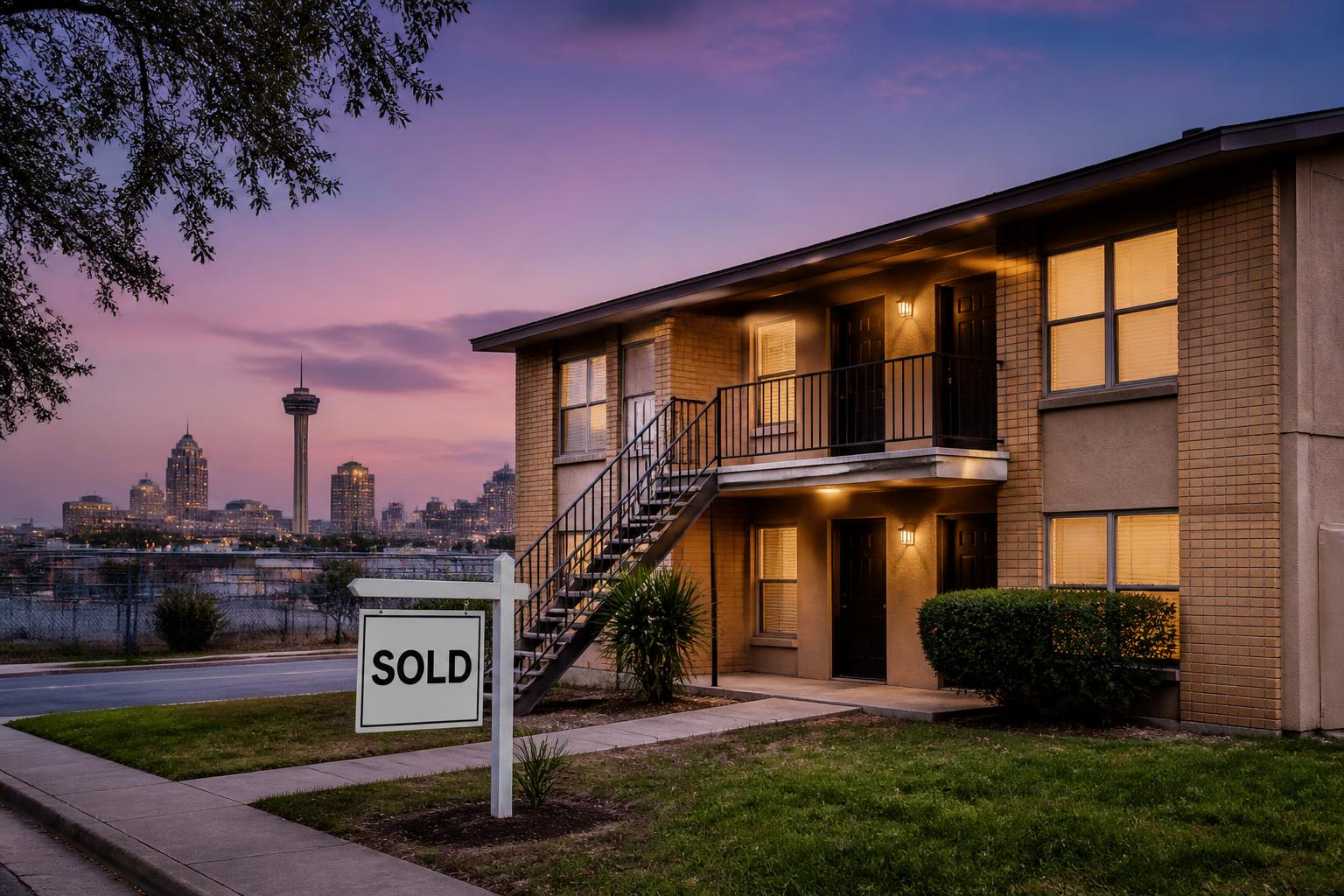
Selling an investment property in San Antonio is a different transaction than selling a primary home. Pricing comes off income, the buyer pool is investors and 1031 exchangers, and tenants, leases, and tax exposure all need to be choreographed before the sign goes in the yard. Here is the exact sequence I use with owners of San Antonio rentals, duplexes, fourplexes, and small commercial.
1. Decide whether to sell occupied or vacant
Occupied sales preserve in-place income (and appeal to investor buyers), but limit your buyer pool and complicate showings. Vacant sales expand the pool to owner-occupants in some price bands but cost you weeks of rent and turn expense.
In San Antonio, single-family rentals under $300K often sell faster vacant; small multifamily and anything with strong rents almost always sells better occupied.
2. Price on income, not Zillow
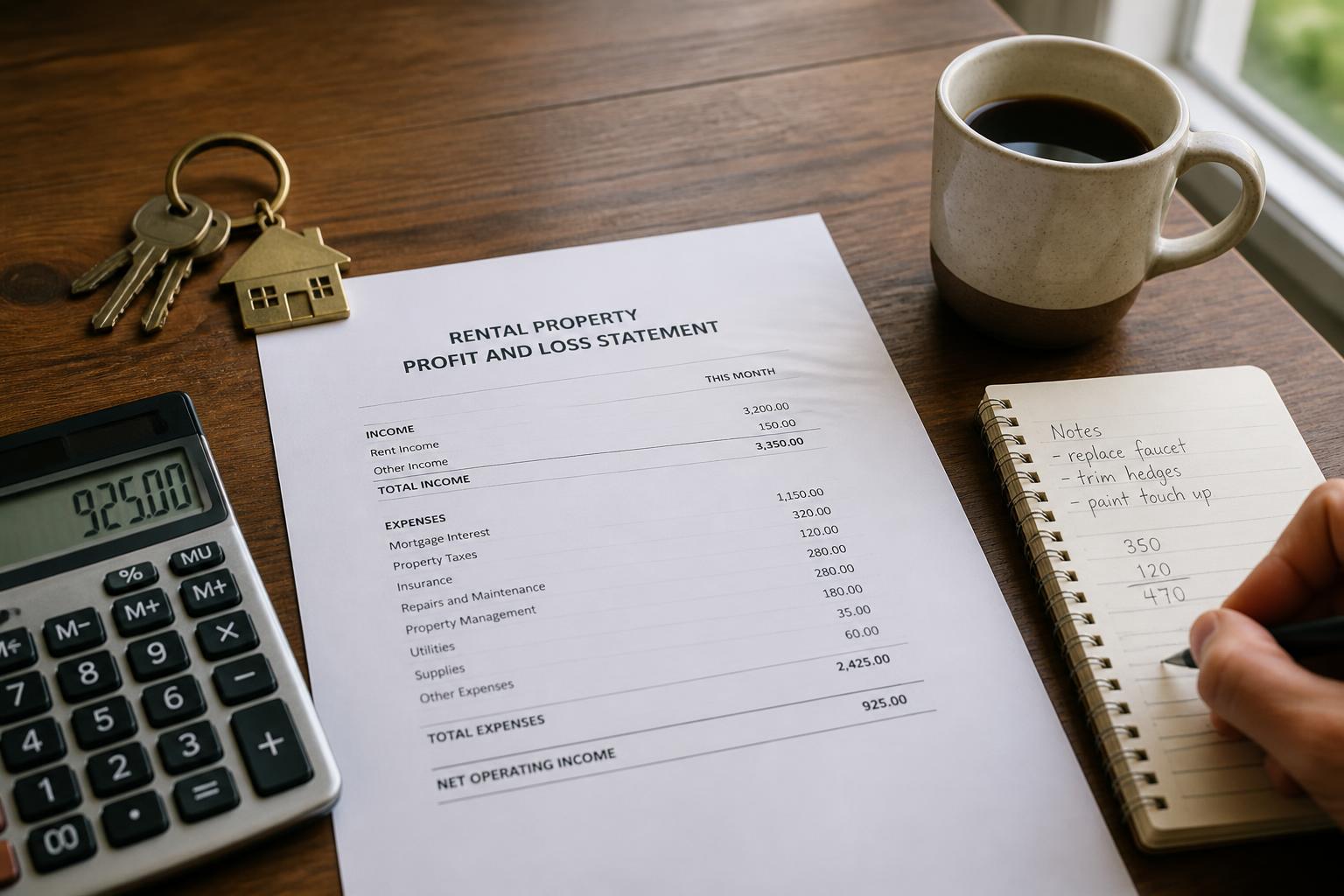
Investor buyers underwrite price from NOI and cap rate, not comps. Pull trailing-12-month rent rolls, real expenses (taxes, insurance, management, repairs, vacancy), and arrive at NOI. Apply a realistic submarket cap rate to derive list price.
If owner-occupants are also in the pool, sanity-check against recent comparable sales — but never let a low comp drag down a cash-flowing asset that prices fairly on income.
3. Prepare the investor diligence package
Have ready before listing: rent roll, leases, T-12 P&L, last two property-tax bills, insurance dec page, capex history, recent inspection reports, and any service contracts. A clean diligence package shortens option periods and protects price.
Missing or messy financials are the #1 reason a San Antonio rental closes 5–10% under asking.
Next read: How to Sell an Income-Producing Property in San Antonio
4. Market to the right buyer pool
MLS reaches owner-occupants and local investors. For better-priced or larger assets, syndicate to off-MLS investor networks, 1031 exchange buyer lists, and out-of-state capital that targets Texas yield.
AI-assisted prospect matching now lets us put a property in front of investors actively buying that exact submarket and price band — a meaningful edge for sellers in 2026.
5. Plan the tax exit before you sign a listing agreement
Depreciation recapture and capital gains can take 20–30% of your gain if you sell outright. A 1031 exchange into another income property defers all of it — but you must set it up with a Qualified Intermediary BEFORE you close.
Other levers: installment sale, partial 1031, opportunity zones, or cost-segregation on the replacement property. Talk to your CPA early; it shapes timing.
Next read: How to Sell an Income-Producing Property in San Antonio
6. Negotiate with leases and tenants in mind
Buyers will inherit your leases. Above-market rents, problem tenants, or month-to-month chaos all become price reductions or repair credits. Where possible, document everything cleanly and address known issues before going live.
Key takeaways
What to remember.
- Price comes off NOI and submarket cap rate — not Zillow.
- Decide occupied vs vacant based on your buyer pool and price band.
- A clean diligence package protects 5–10% of your sale price.
- Set up a 1031 exchange with a QI before closing — not after.
FAQs
Frequently asked questions.
What's the best time of year to sell an investment property in San Antonio?
Spring (March–May) draws the most investor activity, but income-producing property is less seasonal than primary homes. The right buyer for a cash-flowing duplex shows up year-round; lease end dates often matter more than the calendar.
Do I have to pay capital gains tax when I sell a rental in Texas?
Texas has no state income tax, but federal capital gains and depreciation recapture still apply. A 1031 exchange into a like-kind property defers both. Cost-segregation, installment sale, or charitable structures are alternatives worth modeling.
Should I sell with the tenant in place or wait for them to leave?
Investor-buyer markets prefer occupied units with verified income. Owner-occupant price bands often prefer vacant. In San Antonio I usually recommend occupied for anything 2+ units or strong rent-to-price; vacant for sub-$300K single-family in owner-occupant submarkets.
What documents do investor buyers ask for?
Rent roll, current leases, trailing-12 P&L, two years of tax bills, insurance dec page, capex history, recent inspections, service contracts, and any environmental or survey reports. Having these ready upfront shortens diligence and protects price.
How do I sell a fully-rented property in San Antonio without losing the buyer pool?
Bundle the lease(s) and rent roll into your marketing, restrict showings to a 24-hour notice with tenant coordination, and target investor buyers from day one — investor-friendly photography, an income-first listing description, and direct outreach to the 1031 buyer pool.