Texas Underwriting · Question answered
What Property Taxes Should I Underwrite in Bexar County for an Investment Property?
Texas property taxes routinely surprise new investors. Here's how to size Bexar County taxes for an investment property before you commit.
Short answer
The direct answer.
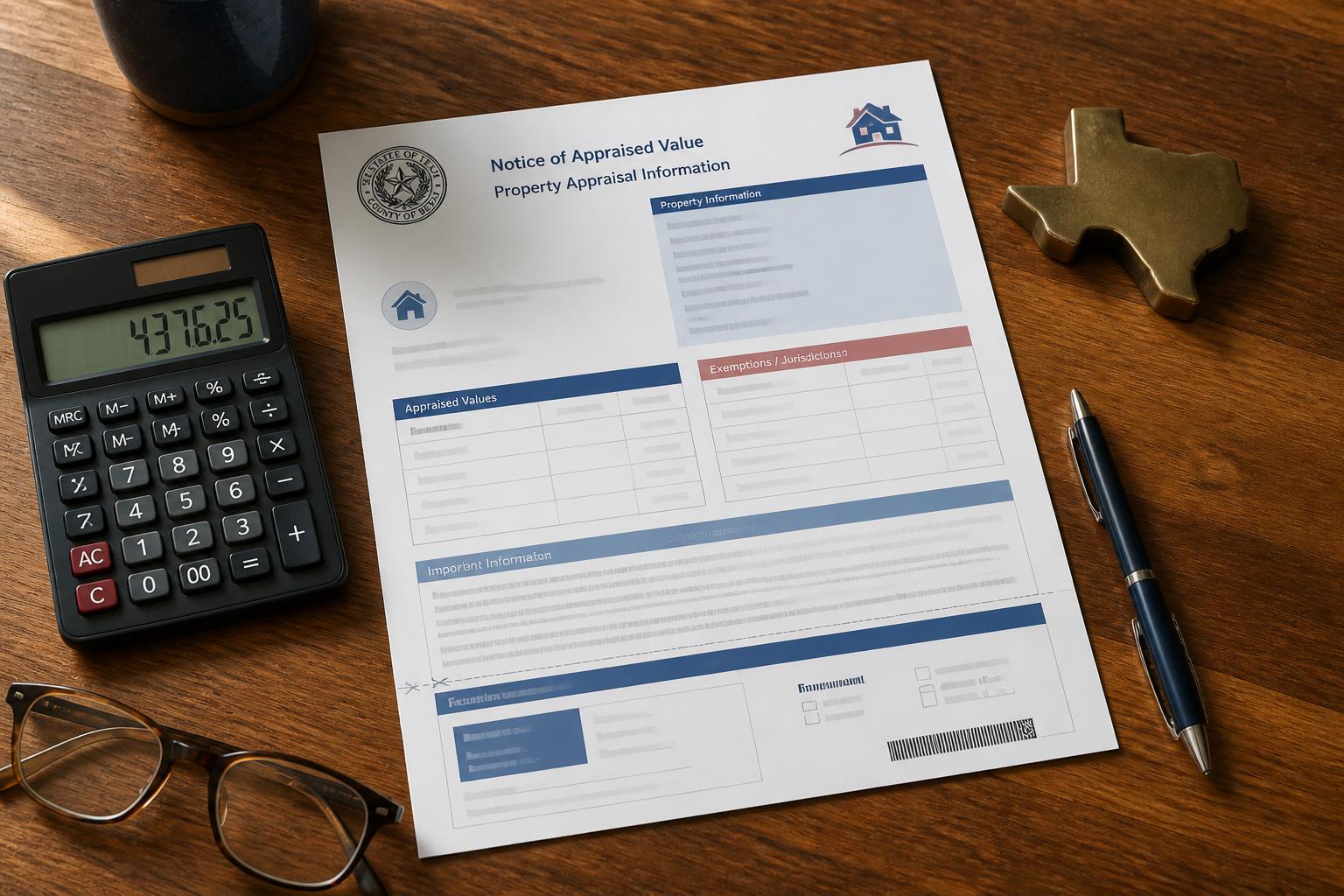
For most non-homestead investment properties in Bexar County, many investors should stress-test around the mid-2% range or higher of assessed value, depending on the taxing entities and any exemptions, then verify the actual rate with Bexar CAD and confirm the assumptions with a tax professional. Rental and investment properties generally do not qualify for the homestead exemption.
Why it matters
Texas has no state income tax, but it funds services through property taxes that are among the highest in the country. On an investment property, that single line item can turn a marginal deal into a losing one.
National mortgage and rental calculators often default to a 1.0–1.5% property tax rate. In Bexar County, that assumption can understate the true bill by thousands of dollars per year and mask a bad deal.
How to Underwrite Bexar County Property Taxes
Start at Bexar CAD (Bexar Appraisal District). Look up the property's current assessed value and the taxing entities that apply — county, city, school district, and any special districts. Add those rates together to get the total tax rate.
For an investment property, do not rely on the current owner's homestead-exempt bill. Reassessment after sale and loss of exemption can push the effective tax load meaningfully higher. When in doubt, stress-test the deal at a higher assumption and confirm with a tax professional.
Bexar County Property Tax Checklist
| Item | What to Review | Why It Matters |
|---|---|---|
| Assessed value | Bexar CAD current value + likely reassessment after sale | Base of the tax calculation |
| Taxing entities | County, city, school district, special districts | Total rate is the sum of all applicable rates |
| Homestead exemption | Present on the seller's bill? Not available to investors | Removing homestead can meaningfully raise the bill |
| Protest history | Prior successful protests may reset next year | Values can rebound after sale |
| Loan escrow | Lender's tax estimate on the closing disclosure | May understate first-year taxes |
| CPA review | Confirm assumptions and available deductions | Tax outcomes are specific to your situation |
San Antonio / Hill Country example
Example: Stress-Testing a Bexar County Duplex
A duplex is listed at $360,000. The seller's property tax bill last year was $6,200 — but the seller had a homestead exemption. Removing homestead and recalculating at the sale price could push the annual tax bill closer to $8,500–$9,500 depending on the taxing entities and any post-sale reassessment.
That $2,300–$3,300 difference translates to roughly $190–$275 per month. A deal that looked like it cash flowed $250/month at the seller's number can flip negative on a corrected tax assumption — before any other surprise.
Common mistakes
- Using the current owner's homestead-exempt tax bill as the underwriting number.
- Trusting a national mortgage calculator's default property tax rate.
- Ignoring special taxing districts (MUD, PID) that can add meaningfully to the rate.
- Forgetting that assessed value can jump after sale, especially if the sale price is well above the prior year's assessed value.
When to ask for help
- You want a written read on a specific property's expected tax load before you offer.
- You're comparing properties across taxing entities and need help normalizing the numbers.
- You want a CPA or tax professional referral to confirm assumptions.
FAQs
Frequently asked questions.
Why are Texas property taxes so important for investors?
Because Texas funds much of its public services through property taxes, the effective rate on an investment property is typically much higher than in many other states. That expense can be the difference between positive and negative cash flow.
Should I use the current owner's tax bill?
Only as a reference. If the seller has a homestead exemption or the assessed value hasn't caught up to market, your bill as an investor may be higher. Stress-test with a conservative assumption.
Can taxes change after I buy?
Yes. Bexar CAD can reassess after a sale, and any exemptions the previous owner claimed generally do not carry to an investment buyer.
Where do I verify Bexar County property taxes?
Bexar Appraisal District (Bexar CAD) publishes the assessed value and taxing entities for each property. The Bexar County Tax Assessor-Collector publishes the current rates.
Should I talk to a CPA or tax professional?
Yes. Tax treatment, exemptions, deductions, and depreciation are situation-specific. A CPA who works with Texas real estate investors is worth the call.