Sellers · 7 min read · Updated June 2026
Selling an Income-Producing Property in Texas
Selling income-producing property is a different exercise than selling a home. The buyer pool is smaller, more analytical, and pays for clean numbers. Most pricing disappointments trace back to mis-positioning, not market conditions.
Decide whether the buyer is a user or an investor
A small commercial building can sell to an owner-occupant for a premium or to an investor on a cap. The right marketing strategy depends on which buyer is most likely to win — and they don't see the same value.
Prepare the financial package before listing
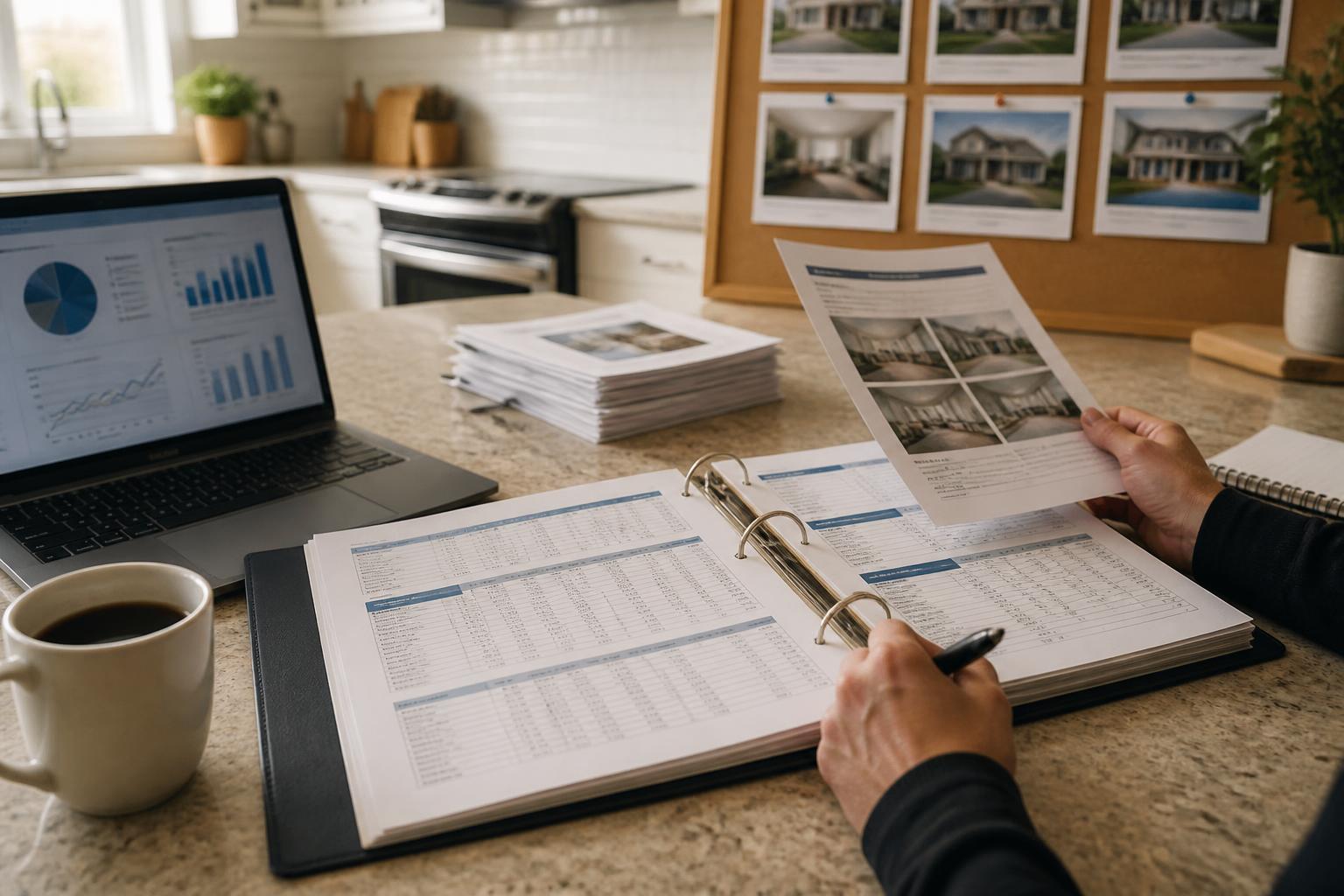
T-12 P&L, rent roll, expense receipts, CapEx history, and a clear narrative on upside. Investor-grade buyers will not chase incomplete information; they'll discount the price or pass.
Pricing on income, not hope
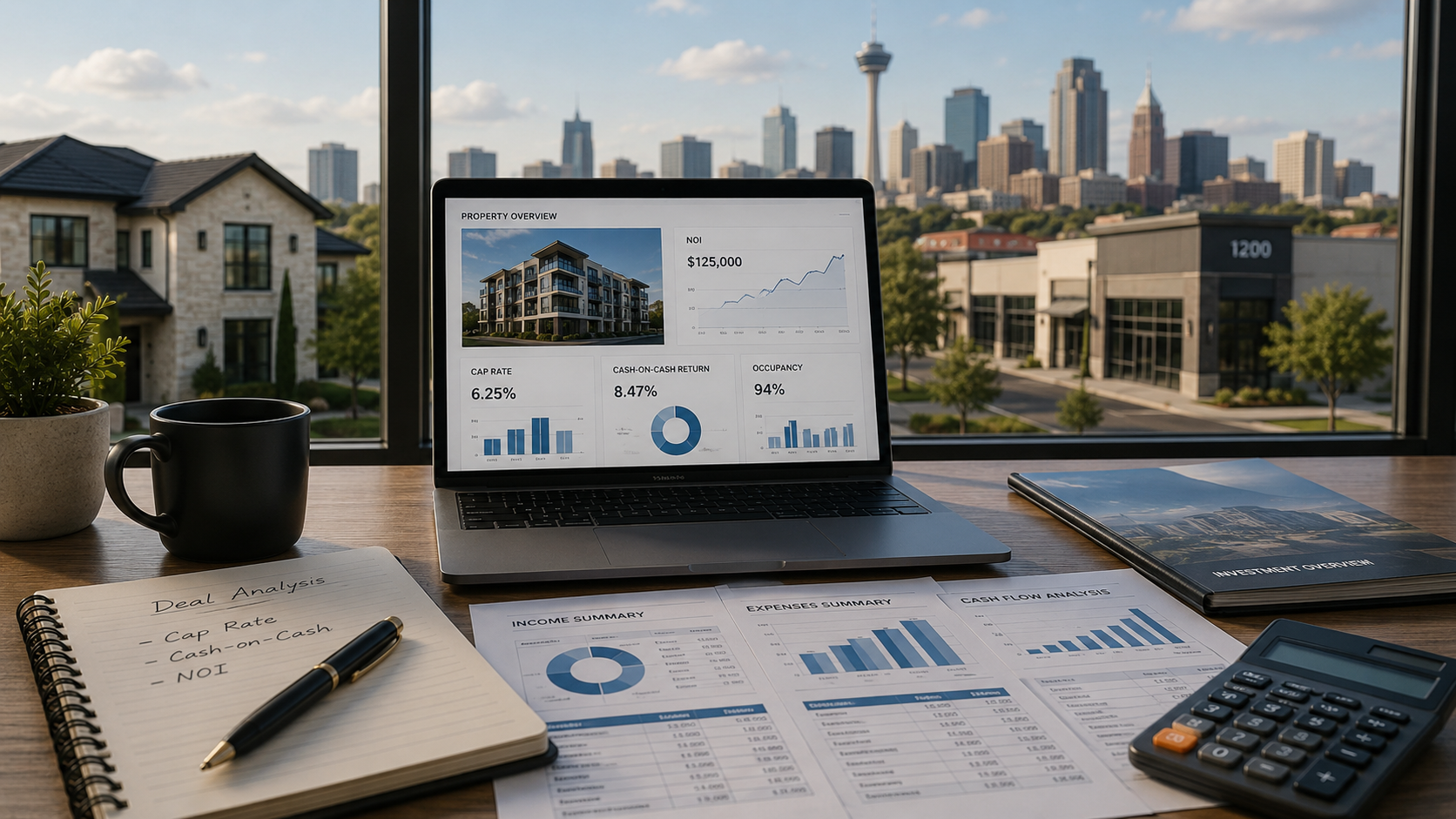
Price the property on stabilized NOI and a market cap rate. Acknowledge the value-add story separately, so the buyer pays for the upside they can underwrite — not the upside you imagined.
Next read: Deal Analysis 101: Cap Rate, Cash-on-Cash, and NOI Explained
Negotiate around financing and contingencies
In a higher-rate environment, the buyer's debt assumption can matter as much as headline price. Owner financing, lease-to-own, and creative structures often close otherwise stalled deals.
Key takeaways
What to remember.
- Know which buyer profile wins this asset before you market it.
- Clean financials beat optimistic narratives.
- Price on demonstrable NOI; sell the upside separately.
- Creative structure can be the difference between closed and stalled.
FAQs
Frequently asked questions.
How long does it take to sell an investment property in Texas?
Stabilized rentals and small commercial often go under contract within 45–90 days. Larger commercial, storage, and RV parks typically run 90–180 days due to longer diligence cycles.
Should I sell my rental occupied or vacant?
Investors usually pay more for occupied, performing properties. Owner-occupants want vacant. Match the strategy to the most likely buyer.
What does a 1031 exchange require?
Identification within 45 days, close within 180, like-kind investment property, and a qualified intermediary. Plan the next acquisition before closing the sale — not after.