Sellers · 7 min read · Updated June 2026
Should You Sell Your Rental Property or Keep It?
Most long-time landlords ask the same question every few years: keep it, sell it, or trade up. There's no universal right answer — but there is a clear framework that prevents the two most common mistakes: selling a great property out of frustration, or holding a stale one out of inertia.
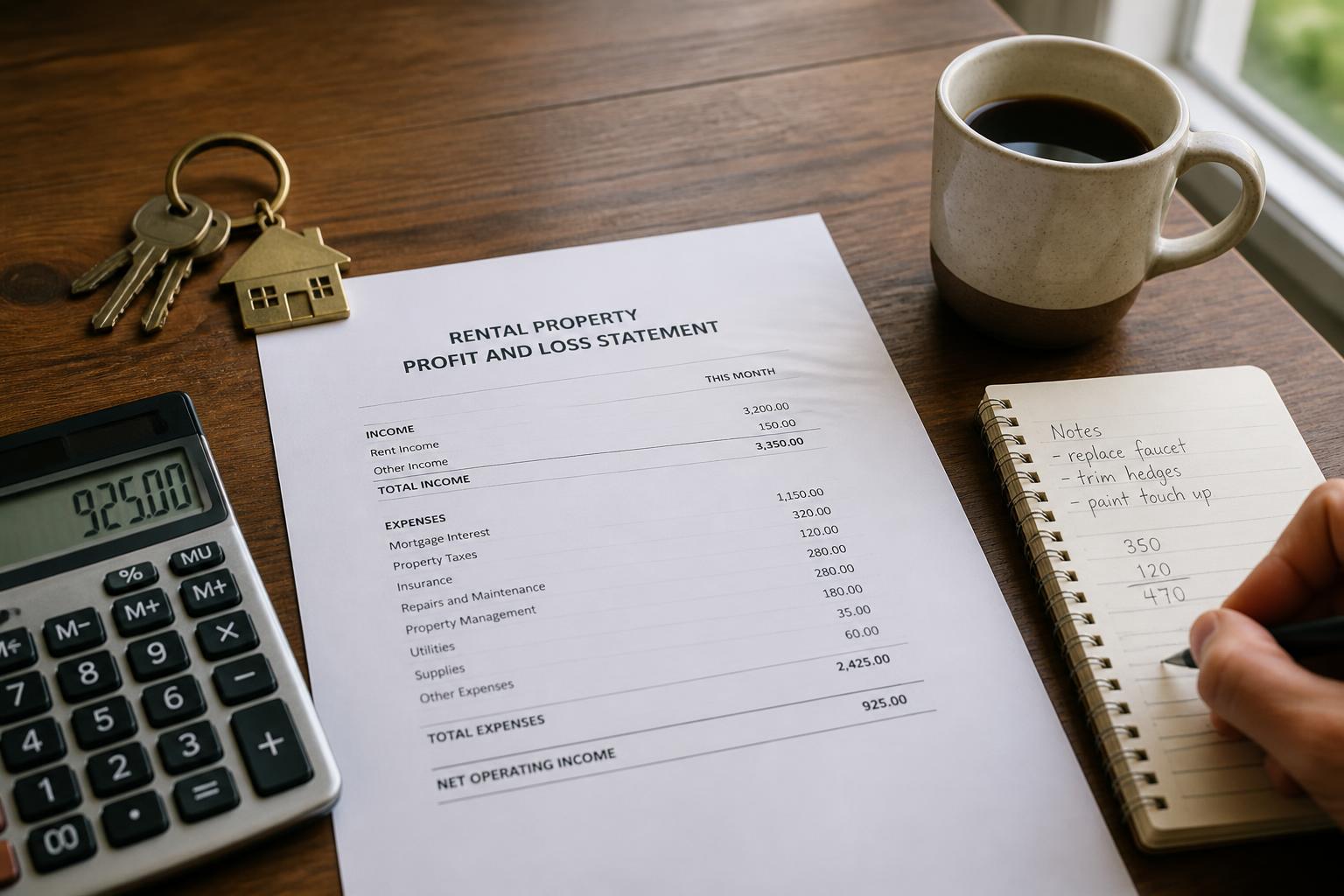
Step 1 — Compute return on equity, not return on cost
What matters today is the cash flow and appreciation you earn on the equity currently locked in the property — not the great return you got on your original down payment. A property at 12% cash-on-cash on a $40K basis can be 3% on $300K of trapped equity.
Step 2 — Stress-test the next 5 years
Project rents, expenses, taxes, and major CapEx items honestly over five years. If the property requires a $30K roof and HVAC inside the window, that's a real drag on hold returns.
Step 3 — Model the 1031 alternative
A 1031 exchange lets you redeploy equity into a higher-yielding asset without recognizing capital gains. Model the realistic acquisition (asset class, leverage, return) so you're comparing real options, not theoretical ones.
Next read: How to Sell an Income-Producing Property in San Antonio
Step 4 — Weigh the lifestyle and management factor
Some properties are easy to own; some are exhausting. If a property has consumed disproportionate time or stress for years, that's a legitimate input — not a soft one.
Step 5 — Decide on the data, not the mood
If return-on-equity, hold projection, and 1031 math all point the same direction, follow it. If they conflict, that's usually a sign to wait one more year and re-evaluate with cleaner inputs.
Key takeaways
What to remember.
- Return on equity > return on original cost.
- Stress-test five years honestly, CapEx included.
- Always model the 1031 alternative as a real option.
- Lifestyle and management cost are legitimate inputs.
FAQs
Frequently asked questions.
What's the rule of thumb for selling a rental?
If return on current equity is meaningfully below what you'd earn redeploying that equity (after taxes or via 1031), it's usually time to consider selling. There's no fixed percentage — model your alternatives.
Is a 1031 exchange worth the complexity?
For most landlords with meaningful equity gain, yes. The tax deferral can be the largest single lever in a long-term portfolio. Bring in a qualified intermediary early.
Should I sell if my property manager keeps changing?
Management instability is a symptom, not a cause. Diagnose whether it's the property, the market, or the manager before selling — sometimes the fix is cheaper than the trade.