Markets · 9 min read · Updated June 2026
Texas Hill Country Investment Property Guide
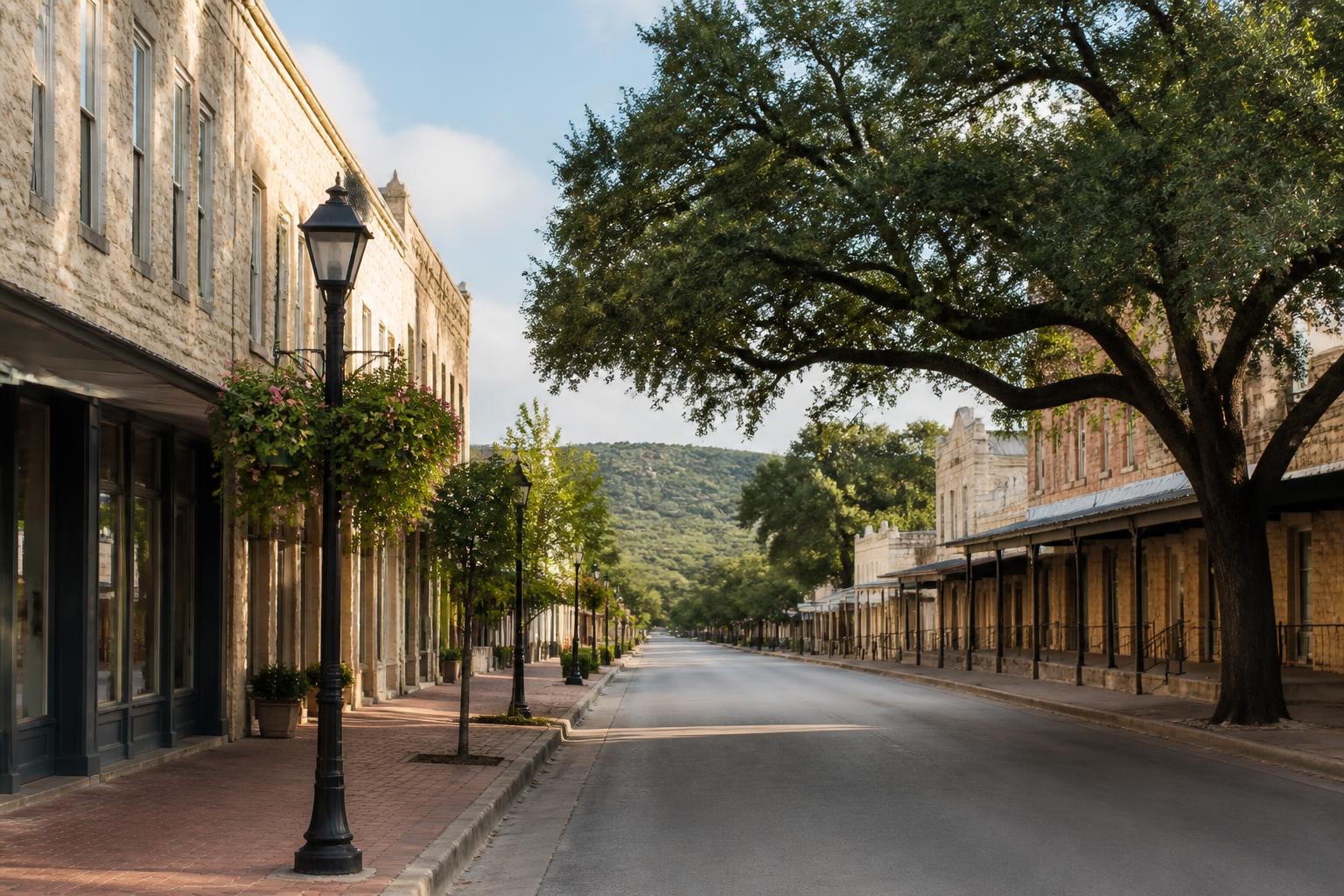
The Texas Hill Country is not one market — it's a dozen distinct submarkets with different demand drivers, regulatory environments, and return profiles. This umbrella guide gives investors a framework for comparing them, then points to the deeper city-level playbooks for Boerne, Blanco, Bandera, Wimberley, Fredericksburg, Canyon Lake, Lake Medina, Helotes, Stone Oak, and Alamo Heights.
How investors should segment the Hill Country
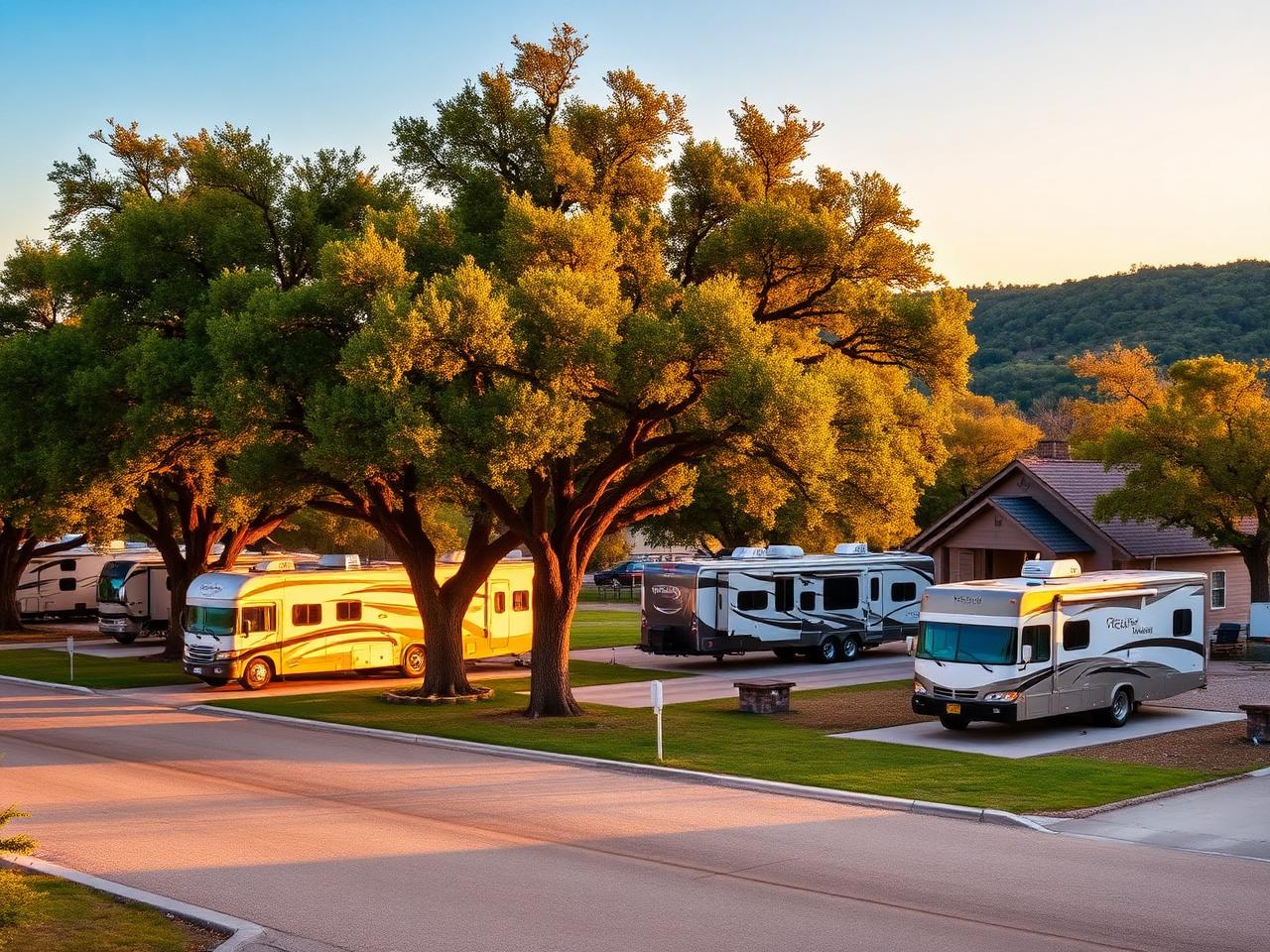
Group submarkets by the dominant return driver rather than geography. Metro-spillover markets (Stone Oak, Alamo Heights, Helotes, Boerne, Fair Oaks Ranch) trade tighter cash flow for durable appreciation. Tourism markets (Fredericksburg, Wimberley, Canyon Lake, New Braunfels) reward operators who underwrite seasonality and STR rules correctly. Land and recreational markets (Blanco, Bandera, Lake Medina, outlying Kendall and Comal county tracts) reward patience, water diligence, and clear use cases.
Best-fit strategies by submarket type
Match the strategy to the submarket before you fall in love with a listing. The same dollar buys a very different outcome 45 minutes apart.
Metro-spillover (appreciation + low turnover)
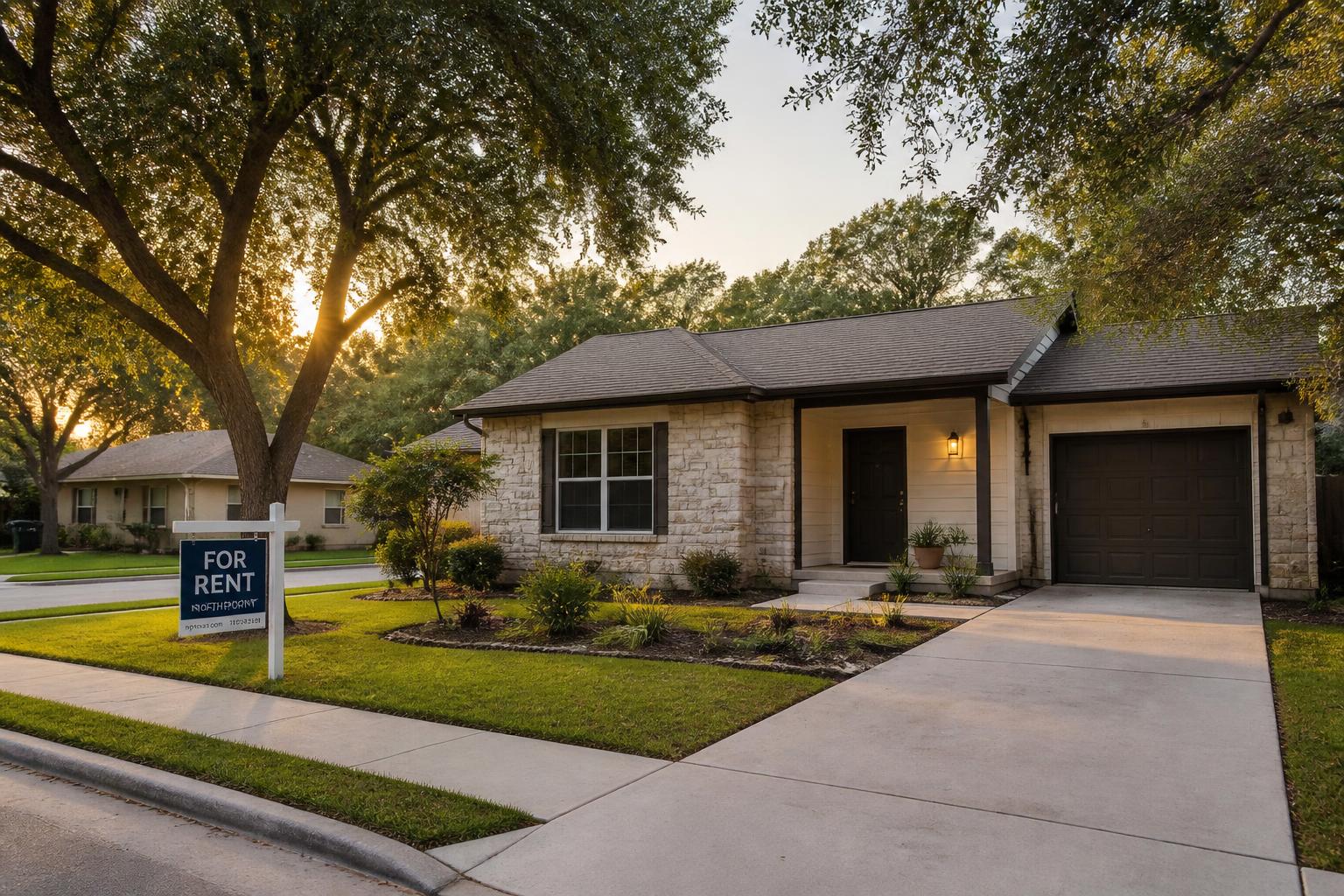
Stone Oak, Alamo Heights, Helotes, Boerne, and Fair Oaks Ranch all reward buy-and-hold rentals to upper-middle-income tenants. Yields are compressed; tenant tenure and value defense are the return drivers.
Tourism (STR + hospitality)
Fredericksburg, Wimberley, Canyon Lake, and New Braunfels reward operators who understand local STR ordinances, seasonality, and cleaning/turnover cost. Always pull current municipal rules before underwriting STR income.
Land + recreational
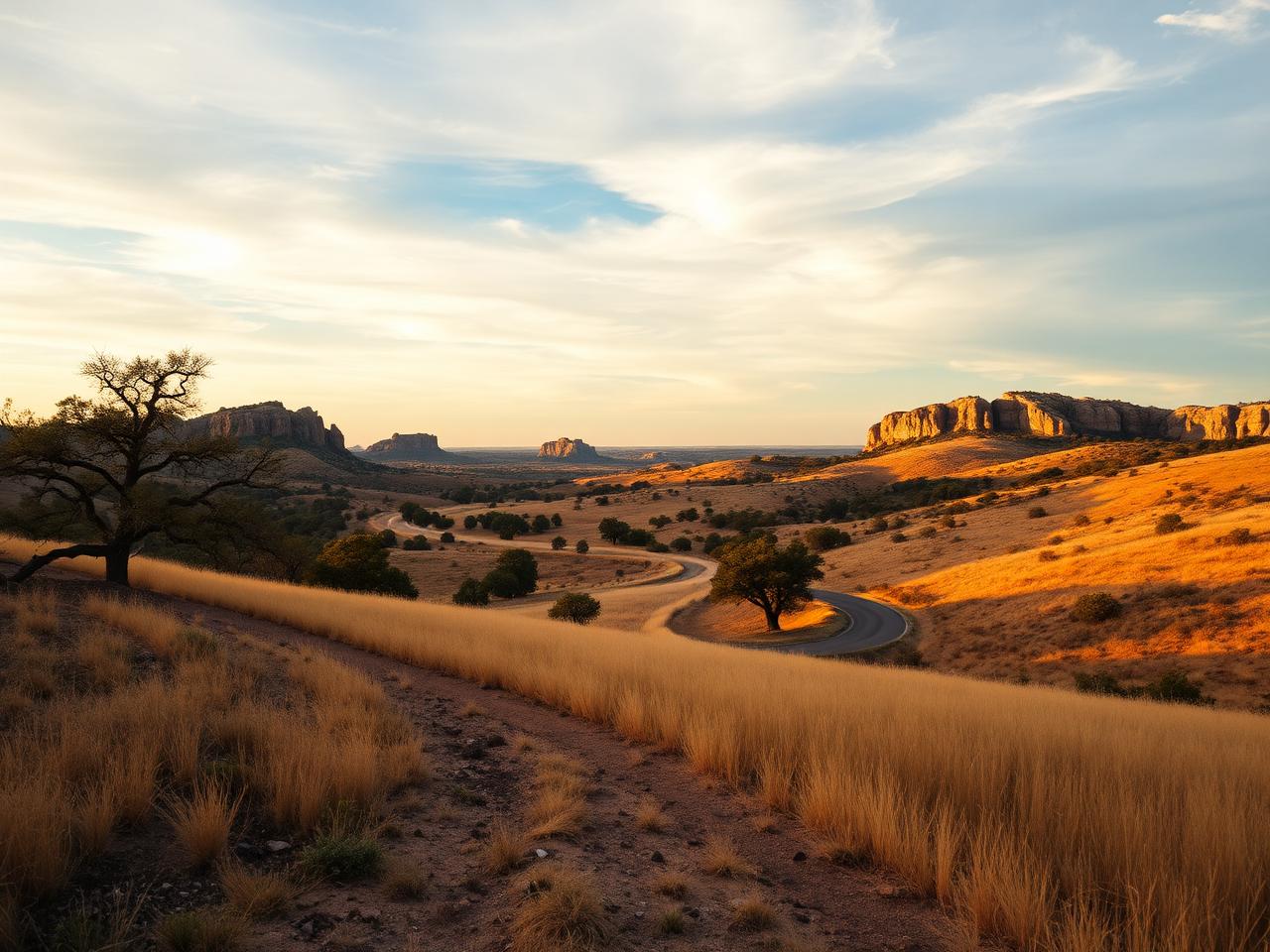
Blanco, Bandera, Lake Medina, and outlying Kerr / Gillespie tracts reward patient buyers with discipline around water, road access, ag/wildlife exemptions, and floodplain.
Demand drivers across the region
Texas in-migration, San Antonio and Austin metro outflow, retiree relocation, wine and outdoor tourism, and remote-work flexibility all pull money into the Hill Country. Pricing has reset since 2022, but the underlying demand structure is intact.
Next read: Boerne Investment Property Guide
Risks every Hill Country investor should underwrite
Insurance has repriced sharply — pull a real quote for the actual address before signing. Floodplain exposure is common near rivers and lakes; FEMA maps are the starting point, not the final word. Short-term rental rules are evolving city by city. On land, water (well yield, surface rights, watershed overlays), septic feasibility, and ag/wildlife exemption status drive value more than acreage alone.
Where to start if you're new to investing
Build the underwriting framework first in San Antonio — it's the deepest, most forgiving market in the region. Then layer Hill Country premium-pricing and STR economics on top. The San Antonio Investment Property Guide for First-Time Investors is the foundation; the city-level guides below are the specialization.
Key takeaways
What to remember.
- Segment Hill Country submarkets by return driver, not geography.
- Spillover markets trade cash flow for appreciation; tourism markets trade simplicity for seasonality.
- Land deals live or die on water, access, and exemption status.
- STR rules change city by city — verify before underwriting upside.
- Build the underwriting framework in San Antonio first.
FAQs
Frequently asked questions.
Which Hill Country market cash-flows best?
Outside of the urban San Antonio core, New Braunfels and Canyon Lake (with operating STR rules verified) typically show the strongest cash-on-cash on the right asset. Boerne, Fair Oaks Ranch, and Stone Oak are appreciation plays.
Are short-term rentals still viable across the Hill Country?
Yes, but the regulatory landscape is fragmented. Fredericksburg, Wimberley, and parts of Canyon Lake have specific permitting and density rules. Always confirm current rules before pricing STR income into an offer.
How much land do I need to qualify for ag exemption?
Minimum acreage varies by county and use. Most Hill Country counties require 10–15 acres for traditional ag use; wildlife management exemptions can apply to smaller tracts with the right conservation plan.
Is the Hill Country a good first-investment market?
For pure cash-flow buyers, usually no — start in San Antonio. For appreciation, lifestyle, or STR-focused buyers with reserves, it can work, but the math discipline you build in SA makes Hill Country decisions far better.