Markets · 7 min read · Updated June 2026
Alamo Heights Investment Property Guide
Alamo Heights and the surrounding 78209 corridor — including Olmos Park and Terrell Hills — is one of San Antonio's most price-stable submarkets. Alamo Heights ISD, walkable retail along Broadway, and a constrained inventory of older single-family and small multifamily create a market where pricing rarely cracks but cash flow is hard to engineer.
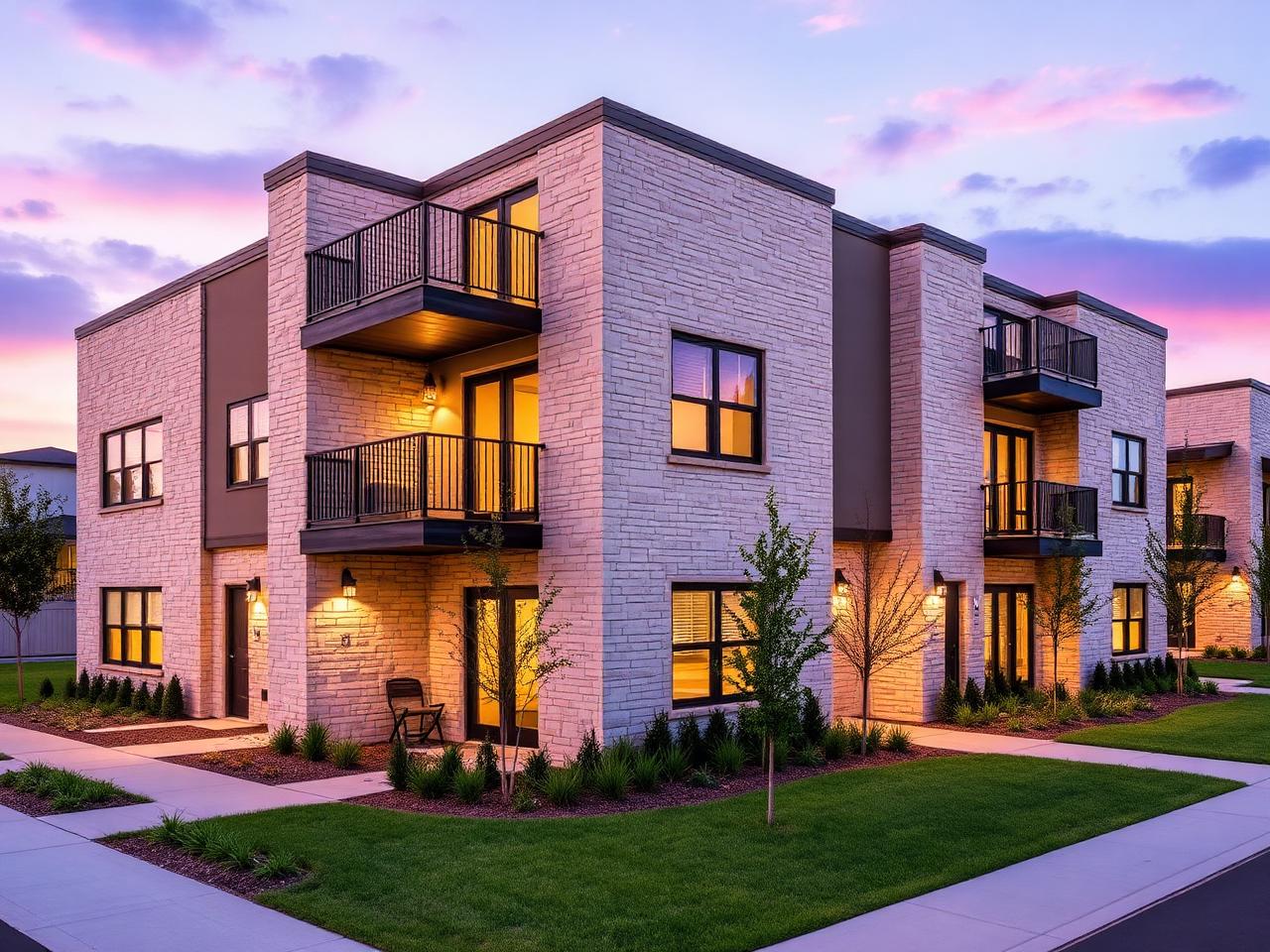
What makes Alamo Heights an investment market
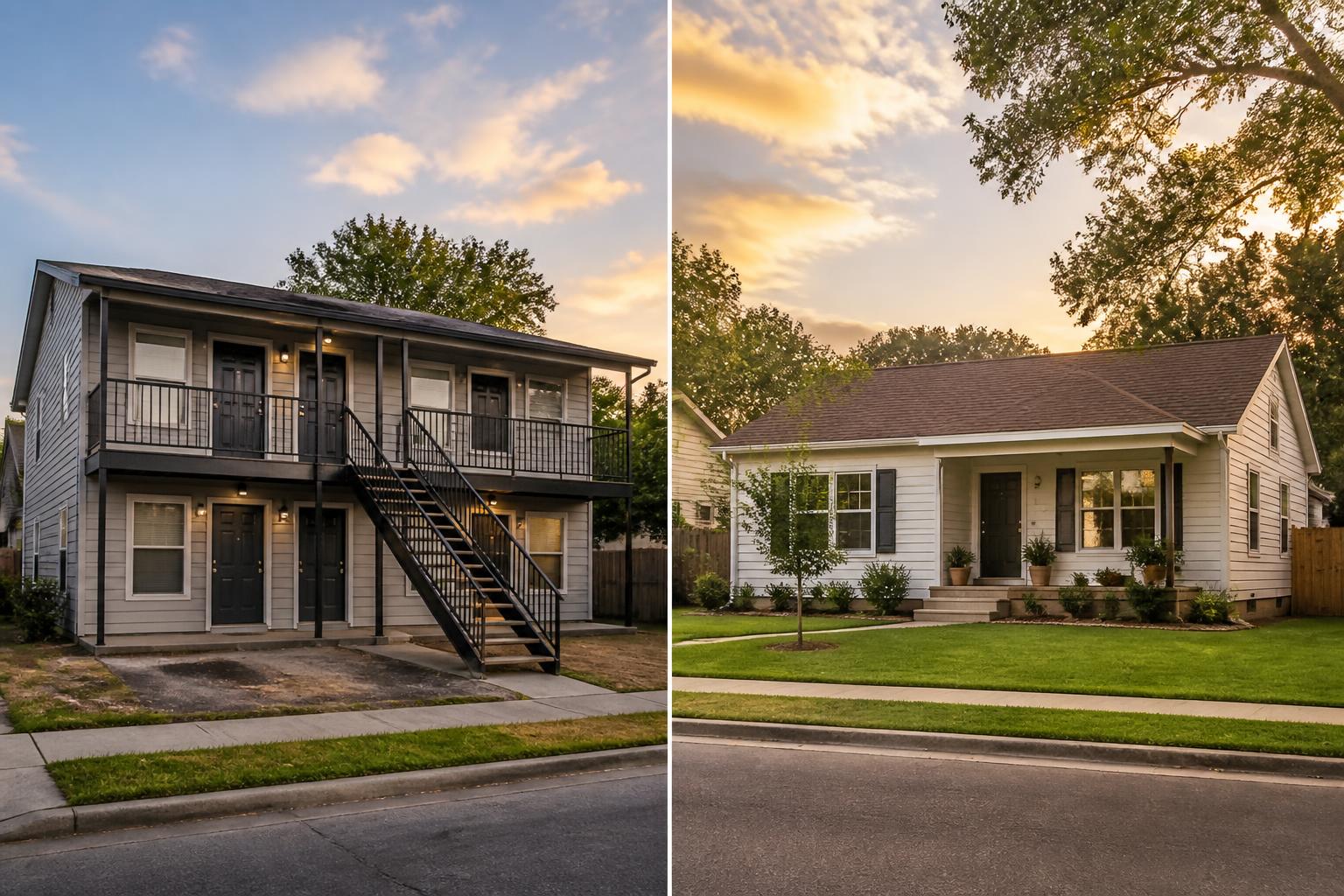
AHISD school reputation, in-town location, walkable retail, and limited new construction sustain pricing across cycles. Inventory is dominated by 1920s–1960s single-family homes, scattered duplexes, fourplexes, and small mixed-use along Broadway.
Best-fit investment strategies
Premium single-family rentals to AHISD families, small multifamily reposition (2–8 units) where rents have lagged, and mixed-use on Broadway with a credit retail tenant are the three plays that work.
Small multifamily value-add
Pre-1980 small multifamily often trades with under-market rents and deferred maintenance. Honest CapEx budgets and a respectful renovation approach typically outperform aggressive flip-style work.
Broadway mixed-use
Pad and small-strip retail on Broadway benefits from daytime population and walkable demand. Cap rates are compressed; tenant credit matters more than headline yield.
Underwriting and diligence watchouts
Older inventory carries foundation, plumbing (cast iron), and electrical risk — always budget specialist inspections. Property tax reassessment on transfer can shift the deal materially. Historic district overlays and city design review constrain exterior changes in pockets — verify before underwriting renovation upside.
Next read: Stone Oak Investment Property Guide
Demand drivers
AHISD school district, in-town professional employment, walkability, and consistent buyer demand from medical, legal, and finance households.
Why Alamo Heights investment property is priced the way it is (and who it works for)
Alamo Heights (the 09) is one of the most consistently expensive submarkets in San Antonio, and the price premium is not going away. Alamo Heights ISD, walkability to Broadway and Olmos Park, and a genuinely constrained supply of buildable lots keep both rents and prices durably above the metro average. That's the setup; the investor question is whether the numbers still work.
Cash-on-cash yield in Alamo Heights rarely competes with workforce-market submarkets like the South Side or the Northeast. What Alamo Heights offers instead is appreciation, tenant quality, and durable rent-growth: a well-located 09 rental typically leases in under two weeks, holds tenants two-plus years, and sees rent increases in every renewal cycle. Total return often beats higher-cap alternatives — but only for investors who don't need the cash flow to pay their mortgage.
The right buyer for an Alamo Heights investment property is usually someone diversifying an existing portfolio, parking 1031 proceeds, or buying with a long hold horizon and a preference for appreciation over yield. The wrong buyer is someone stretching for a first rental who needs every dollar of cash flow to survive a bad month. Both are legitimate strategies — the mistake is picking the wrong one for your actual financial position.
Key takeaways
What to remember.
- Alamo Heights is the most price-stable in-town submarket — pay for that with tight cash flow.
- Small multifamily reposition is the most reliable value-add play.
- Older inventory means honest specialist inspections, not generic ones.
- Mixed-use on Broadway is a credit-tenant game, not a yield game.
FAQs
Frequently asked questions.
Do duplexes and fourplexes still exist in Alamo Heights?
Yes — scattered through 78209, often with under-market rents. They trade quickly and quietly; relationships and persistence matter more than search filters.
Are short-term rentals allowed in Alamo Heights?
Alamo Heights, Olmos Park, and Terrell Hills each have their own ordinances. STR is restricted or prohibited in much of the area — confirm before underwriting STR income.
What kind of returns are realistic here?
Expect 3.5–5.0% stabilized cap rates on residential income property. The return comes from price stability, tenant quality, and long-run appreciation.