Retirement Accounts · 8 min read · Updated June 2026
Texas Real Estate Investing with Retirement Accounts — 401(k), IRA & 1031
Texas is the most popular destination in the country for retirement-account and 1031-exchange real estate capital. No state income tax, strong population growth, deep rental demand, and broad inventory across San Antonio, Austin-adjacent, Houston, and the Hill Country make it a natural fit for tax-advantaged structures. This is the hub guide that ties together 401(k), Self-Directed IRA, and 1031 exchange strategies — with Texas-specific execution notes.

Why Texas works for retirement-account real estate
No state income tax means every dollar of cash flow inside (or eventually distributed from) a retirement structure works harder than the same dollar in California, New York, or Oregon.
Deep inventory across price bands — from $150K San Antonio rentals to $5M self-storage portfolios — means SDIRAs, Solo 401(k)s, and 1031 buyers can almost always find qualifying property inside their timeline and budget.
The three main vehicles
1. 401(k) → Self-Directed IRA or Solo 401(k) → Texas rental. Roll an old 401(k) into an SDIRA (W-2 employees) or stand up a Solo 401(k) (self-employed), then buy Texas property inside the account. See the full 401(k) guide and SDIRA guide below.
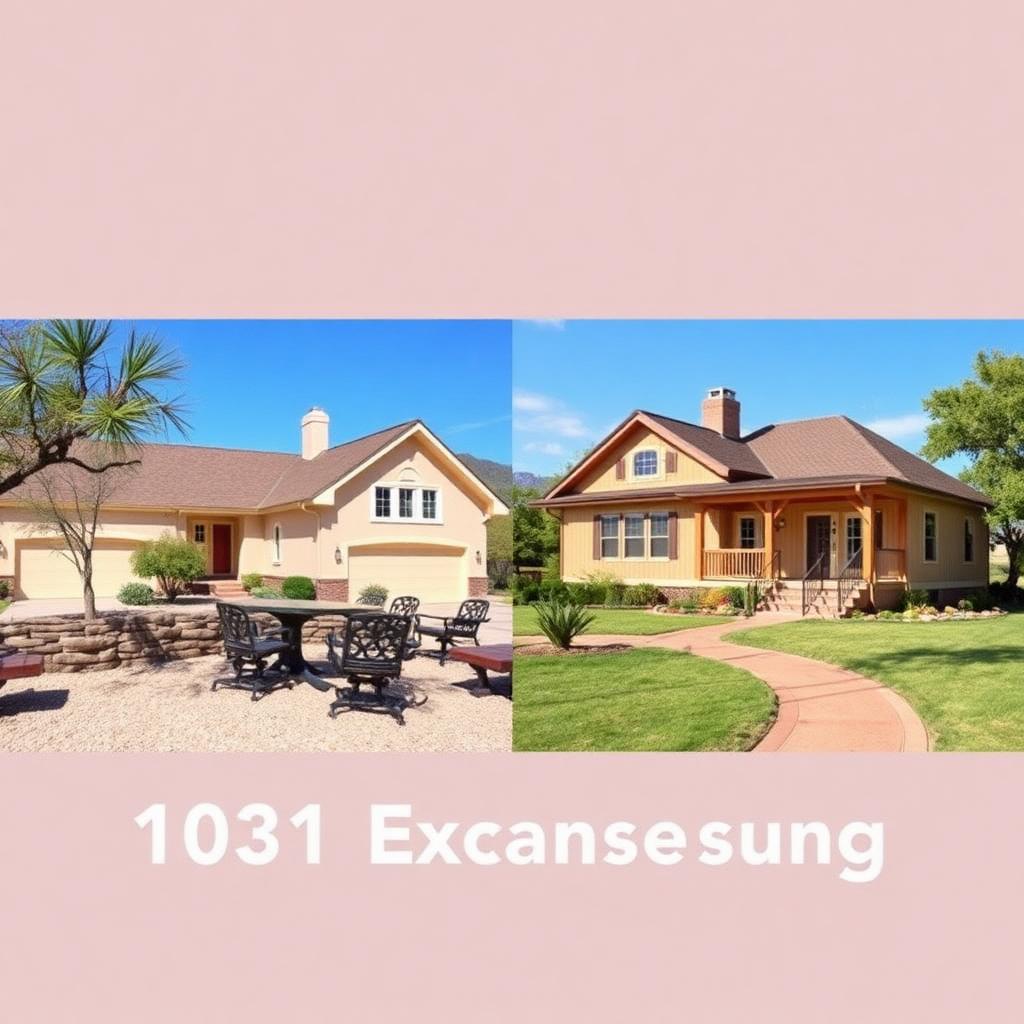
2. 1031 exchange → Texas replacement property. Sell appreciated investment property anywhere in the country, exchange into San Antonio, Hill Country, or Austin-adjacent income property within the 45/180 day timeline.
3. Roth conversion + Texas Roth SDIRA. Convert traditional IRA dollars to Roth (pay tax now), then buy Texas rentals inside the Roth — all future cash flow and appreciation grow completely tax-free.
Best Texas markets for retirement-account investing
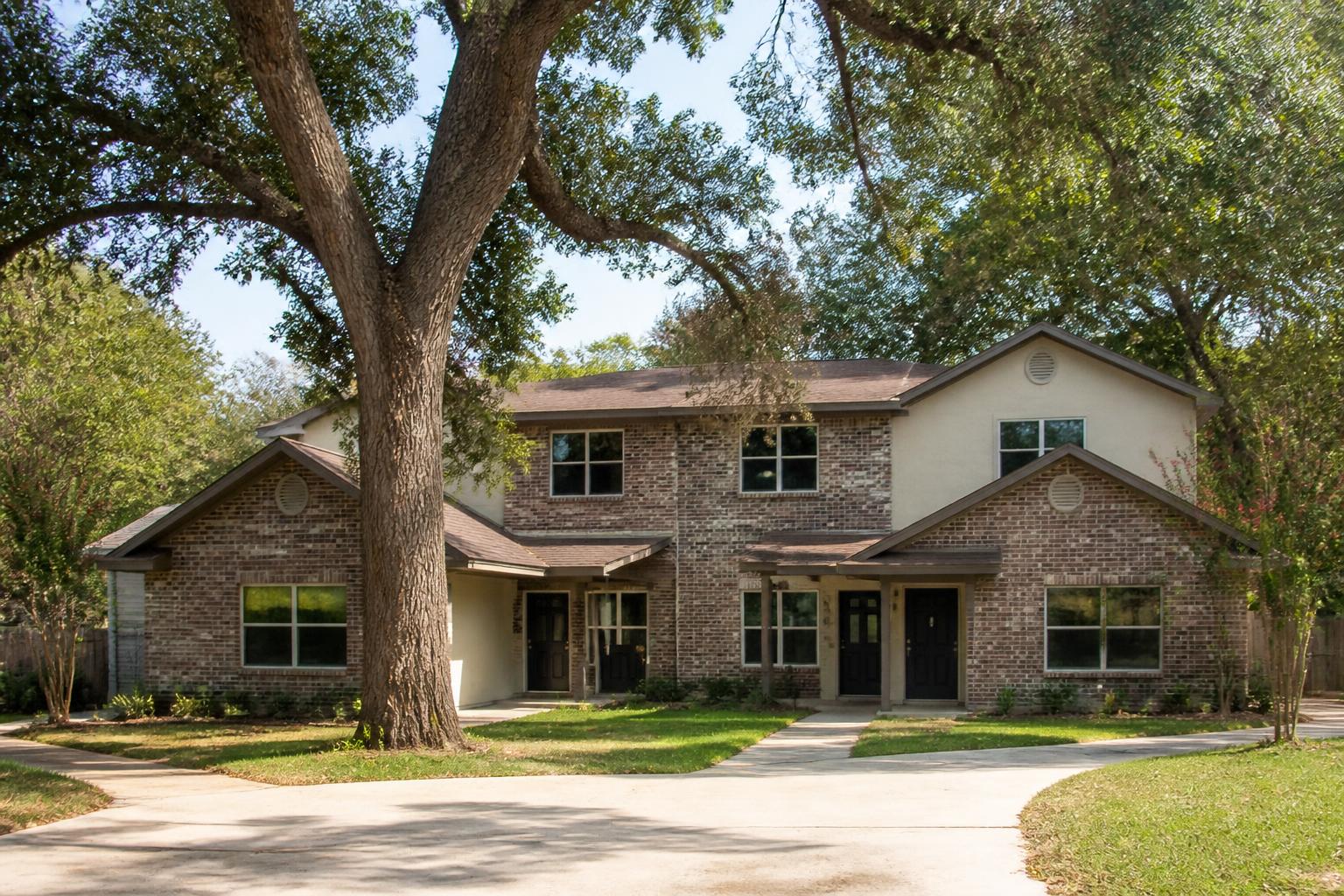
San Antonio: cash-flow leader, deep small-multifamily inventory, sub-$300K entry points perfect for SDIRA cash purchases.
Texas Hill Country (Boerne, Bulverde, Fair Oaks Ranch): appreciation + short-term rental upside on Roth structures.
New Braunfels & Comal County: balanced cash flow and growth; popular 1031 replacement market.
Self-storage and RV parks across South-Central Texas: commercial-scale options for larger SDIRA balances and institutional 1031 buyers.
Next read: How to Invest My 401(k) in Real Estate
Pitfalls to avoid
Buying with a non-recourse loan you didn't shop — rates and down-payment requirements vary 1–2% across non-recourse lenders.
Triggering a prohibited transaction by personally paying expenses or doing repair work on an IRA-owned property.
Missing the 45-day identification window on a 1031 because you didn't have a Texas REALTOR® pre-screening inventory.
Overlooking UBIT exposure on leveraged IRA property.
Where to go next
Decide which vehicle fits your situation, then dive into the focused guide for that path. If you're not sure, a 30-minute strategy call will narrow it in one conversation.
Key takeaways
What to remember.
- Texas is the highest-leverage state for retirement-account real estate because of no state income tax.
- 401(k) → SDIRA or Solo 401(k) is the most common path for new investors.
- 1031 into Texas works especially well from California, Oregon, Washington, and New York.
- Roth SDIRA on long-hold Texas rentals = tax-free cash flow and gains for life.
FAQs
Frequently asked questions.
Can I use my 401(k) or IRA to buy property in Texas?
Yes, through a Self-Directed IRA (rollover from old 401(k) or existing IRA) or a Solo 401(k) if you have self-employment income. Standard brokerage IRAs don't allow direct real estate — you need a self-directed custodian.
Is a 1031 exchange into Texas a good idea for out-of-state investors?
For most appreciated-property owners in high-tax states, yes. You preserve 100% of equity, swap into a no-state-income-tax cash flow environment, and often pick up more units or more total square footage for the same dollars.
What kind of Texas property works best inside a retirement account?
Stable, low-management single-family rentals and small multifamily under $400K are the most common SDIRA targets. Larger balances and 1031 buyers extend into self-storage, RV parks, and small commercial.
Do I need a CPA and attorney to do this?
Yes for any structure beyond an in-plan REIT fund. Solo 401(k), SDIRA, ROBS, and 1031 all have edge cases that cost real money if mishandled. Build the team before the first transaction.