Rental Properties · 9 min read · Updated June 2026
How to Buy Your First Rental Property in San Antonio
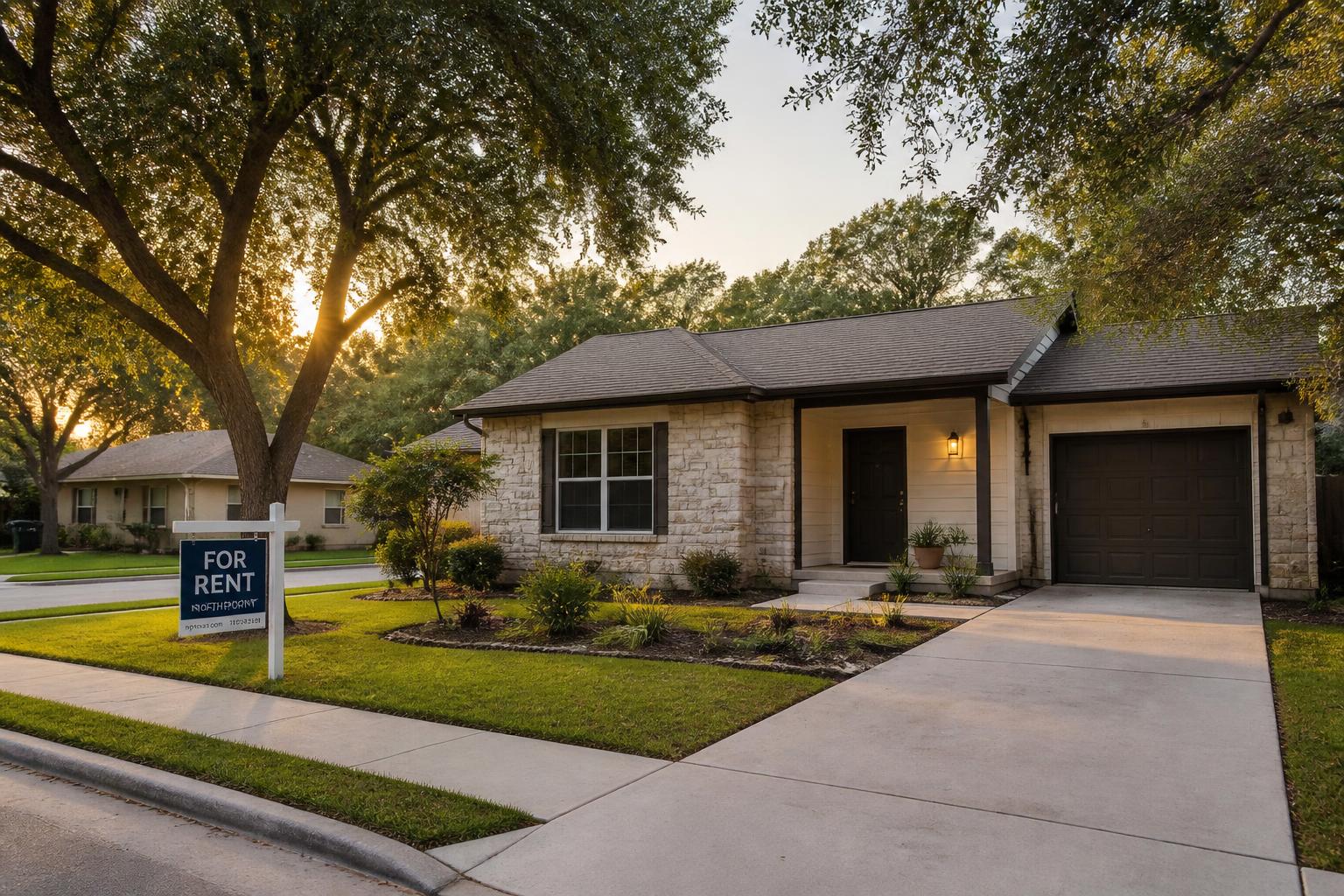
San Antonio remains one of the most accessible entry points into rental real estate in Texas. Diverse rental demand, a deep small-multifamily inventory, and a wide spread of price points mean a first-time investor can realistically buy a cash-flowing property without overextending. This guide walks through how I help new investors move from curiosity to a closed first deal.
1. Start with the investment goal — not the property
Before browsing listings, decide what the property needs to do for you. Cash flow, appreciation, tax efficiency, lifestyle freedom, or long-term portfolio growth are all valid — but they point to very different properties.
A cash-flow buyer in 78228 looks at very different numbers than an appreciation buyer in Stone Oak. Naming the goal early prevents months of looking at the wrong inventory.
2. Set realistic financial guardrails
A first rental in San Antonio typically lands between $180K–$320K with 20–25% down for an investment loan. Build a quick personal budget that covers down payment, closing costs (≈3% of purchase), 3–6 months of reserves, and an initial CapEx cushion.
Talk to two lenders early — a local bank and a national investor-friendly lender. Rates and DSCR products vary widely and shape what's actually buyable.
3. Pick a submarket with rental demand you can name
Strong first-rental submarkets in San Antonio share three traits: stable employment within 15 minutes, school ratings that don't scare tenants, and rent-to-price ratios that survive a vacancy month.
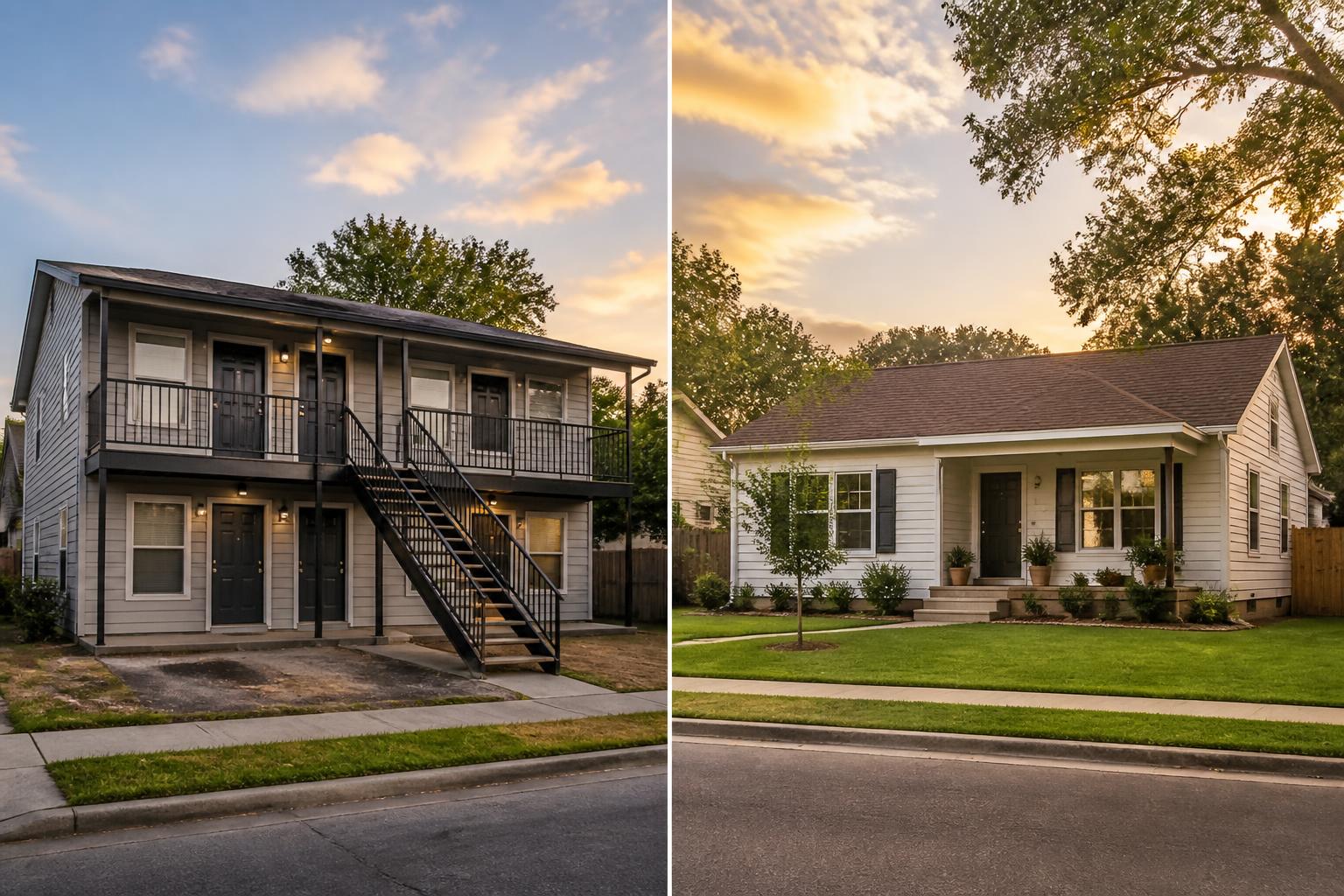
Areas like Northwest Side, near-LMC, and pockets of the Northeast frequently fit. The Hill Country edges — Boerne, Bulverde, Helotes — trade lower cash flow for stronger appreciation.
Next read: San Antonio Investment Property Guide for First-Time Investors
4. Underwrite every property the same way
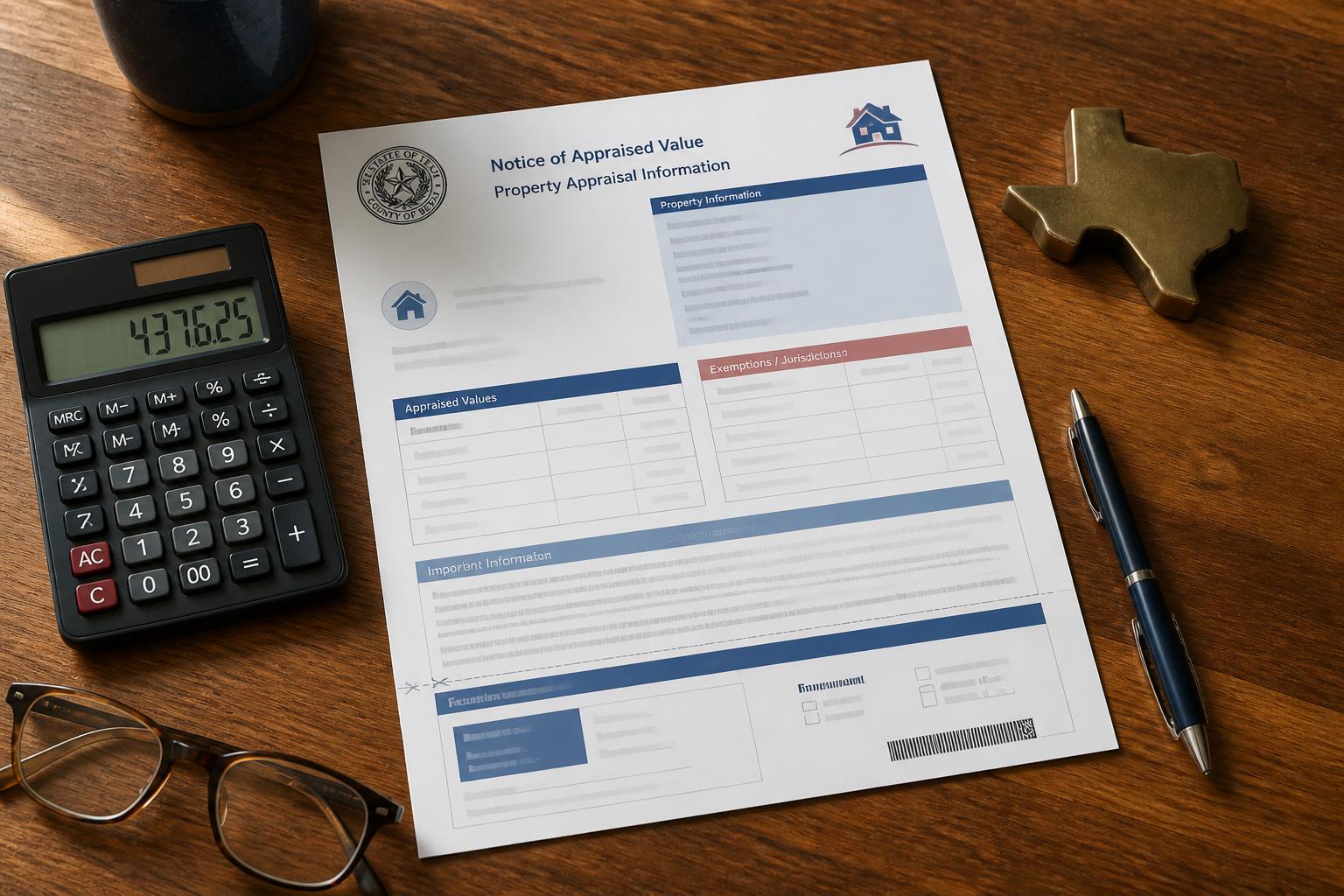
Use a single repeatable model: gross rent, vacancy, operating expenses (taxes, insurance, management, repairs, CapEx reserve), debt service, then cash flow and cash-on-cash return. Texas property taxes are the line item most first-time investors underestimate.
If the deal does not pencil at conservative assumptions, it is not a deal — it's hope. Walking away is part of the job.
5. Make a clean offer and protect yourself in option period
In Texas, the option period is your due diligence window: inspections, contractor walk-throughs, rent verification, and any specialized reviews (foundation, roof, HVAC). Use it.
A confident, well-supported offer with a realistic option fee and timeline outperforms a hesitant high price almost every time in this market.
Key takeaways
What to remember.
- Name your goal before you browse listings.
- Get two lender quotes before underwriting anything.
- Underwrite conservatively — Texas property taxes change the math.
- Use the option period for real diligence, not as a formality.
FAQs
Frequently asked questions.
How much money do I need to buy a rental property in San Antonio?
Plan for 20–25% down on an investor loan, plus roughly 3% closing costs and 3–6 months of reserves. On a $250K property that's typically $60–80K all-in, though DSCR and partnership structures can lower the personal-capital requirement.
What's a realistic cap rate on a San Antonio rental in 2026?
Most stabilized single-family and small multifamily rentals in San Antonio underwrite to a 5.0–7.0% cap depending on submarket, condition, and management style. Higher caps usually mean higher tenant turnover or deferred maintenance.
Should I house-hack instead of buying a pure rental?
House-hacking a small multifamily or ADU property is one of the strongest first moves in this market because owner-occupant financing dramatically lowers the down payment. Worth modeling alongside a pure investment purchase.