Self-Storage · 8 min read · Updated June 2026
Self-Storage Investing in Texas: What to Look For
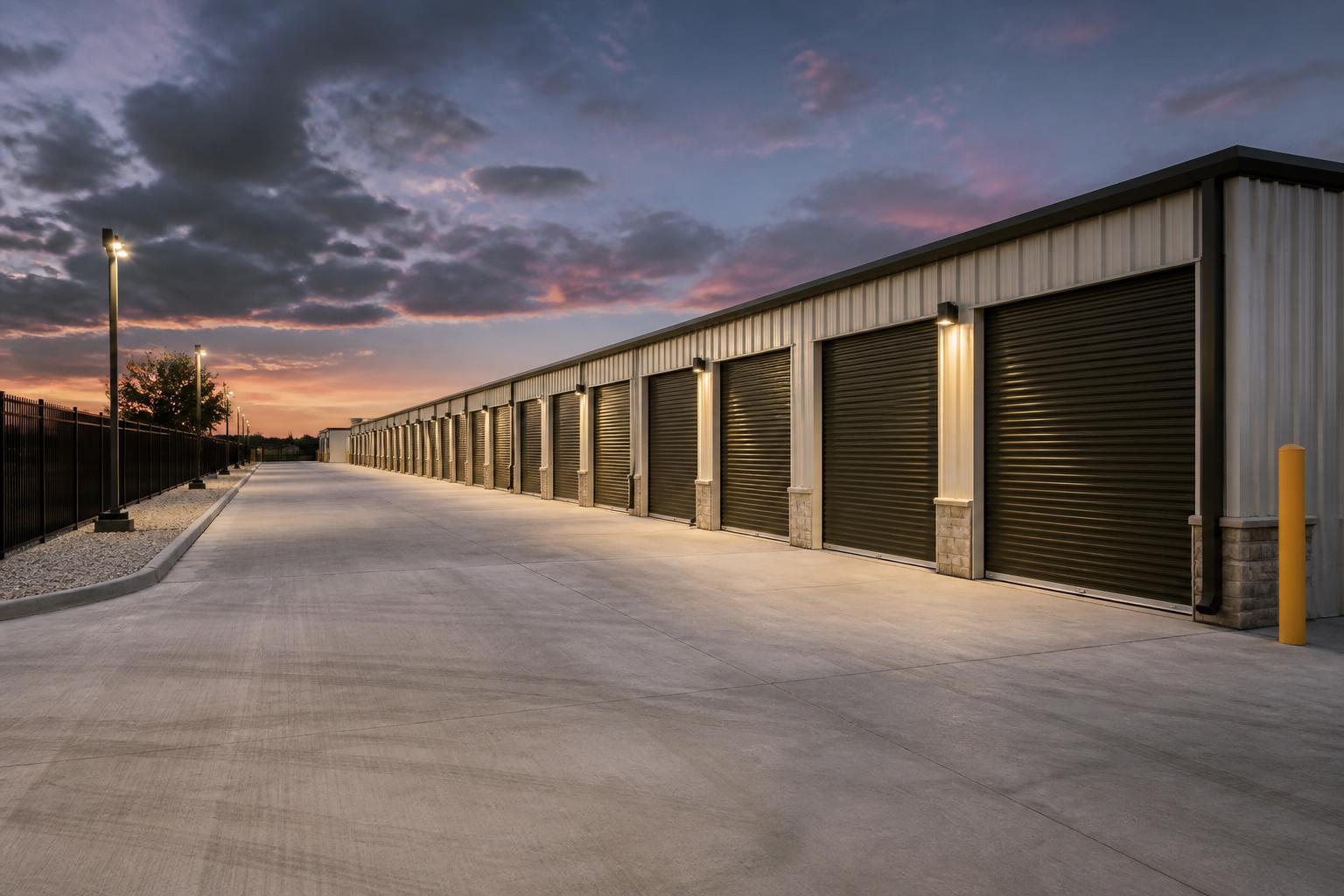
Self-storage is one of the most operationally simple income-producing asset classes — and one of the easiest to overpay for. Texas has seen a wave of new supply in growth corridors like New Braunfels, Boerne, and northwest San Antonio, which makes diligence on occupancy and competitive supply non-negotiable.
Demand: who actually rents here?
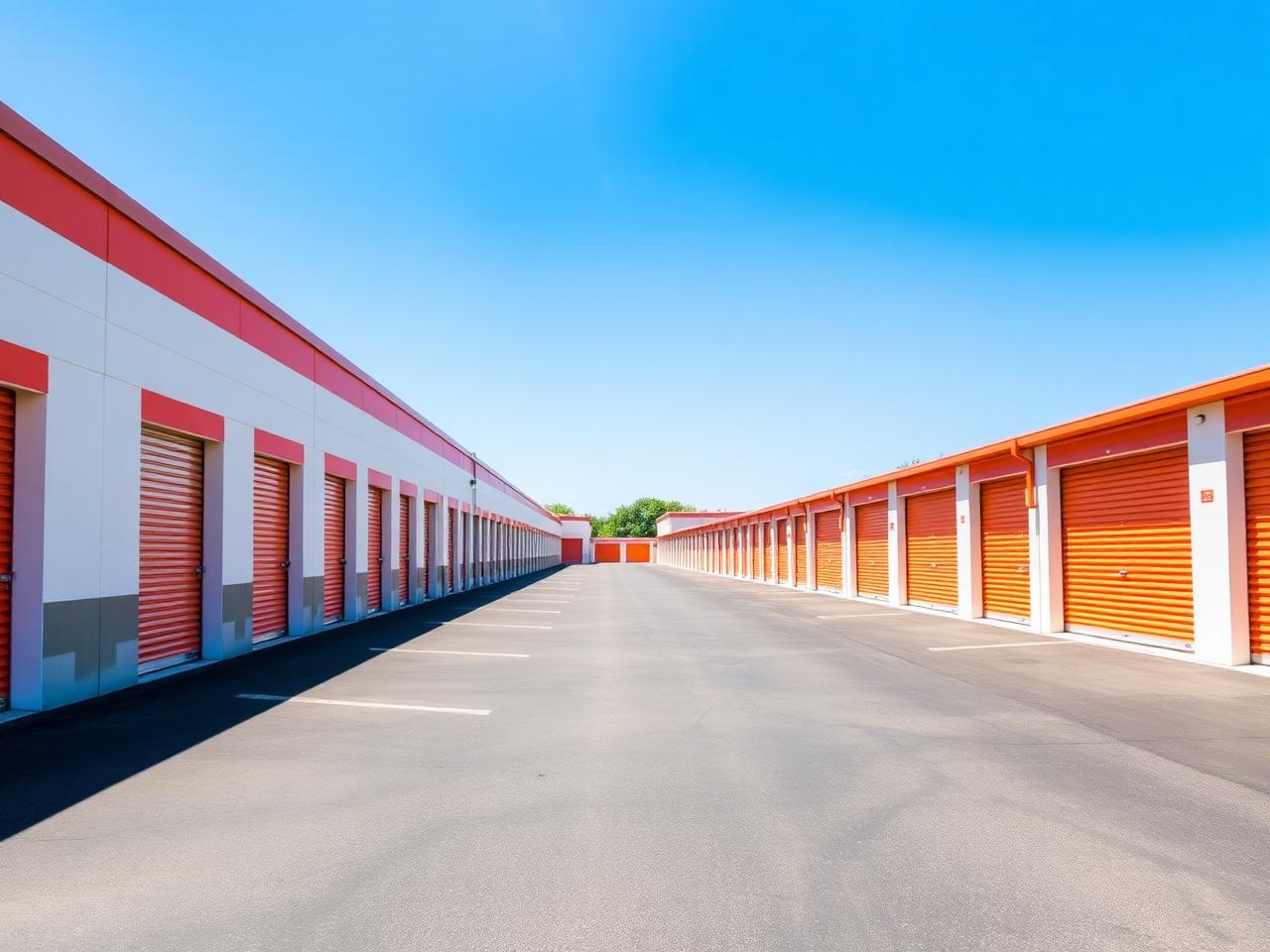
Strong storage markets have one or more demand drivers — apartment density within 3 miles, seasonal RV/boat use, small-business inventory, or active relocation. Drive the trade area before you trust a broker's narrative.
Population-per-square-foot of storage in the trade area is the cleanest demand metric. Anything under 6 sq ft per capita usually has room; over 10 sq ft is saturated.
Occupancy vs. economic occupancy
Physical occupancy can be 92% while economic occupancy is 78% — discounts, free months, and delinquencies eat real revenue. Always pull a current rent roll and reconcile to T-12 financials.
If a facility is 'almost full' but rents are 20% below market, that's upside. If it's full at market and still slow to lease, that's a saturation warning.
Operating expenses to model honestly
Property taxes (Texas valuations on storage have risen sharply), insurance, payroll or remote-management fees, marketing, software, and a real CapEx reserve. Sub-30% expense ratios are usually optimistic on smaller facilities.
Newer Class-A facilities run leaner; older mom-and-pop properties typically need 35–42% expense loads once professionalized.
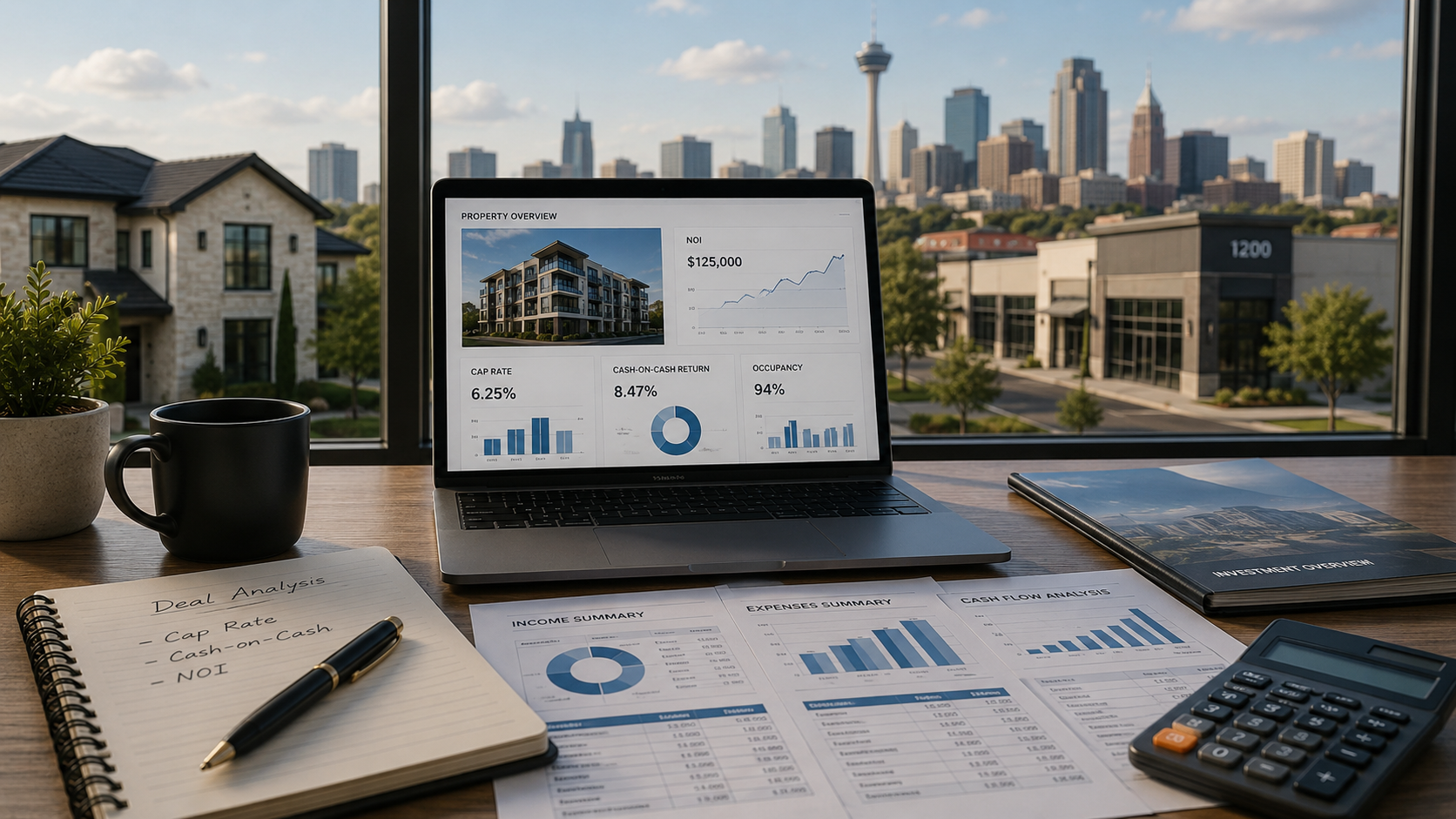
Next read: Deal Analysis 101: Cap Rate, Cash-on-Cash, and NOI Explained
Value-add levers
Rate optimization, tenant insurance, late fees, online auctions, climate-control conversions, and adding U-Haul or boat/RV parking are the standard value-add plays. The cleanest deals have at least two of these obviously available.
Key takeaways
What to remember.
- Drive the trade area — supply analysis is the make-or-break step.
- Reconcile physical to economic occupancy before trusting any pro forma.
- Model Texas property taxes at re-assessed value, not seller's tax bill.
- Two clear value-add levers beat one big speculative bet.
FAQs
Frequently asked questions.
What size self-storage facility makes sense for a first-time buyer?
Most first-time storage buyers in Texas land between 20,000–60,000 net rentable square feet. Smaller properties can be self-managed; larger usually require professional management to underwrite cleanly.
Are RV and boat storage included in self-storage?
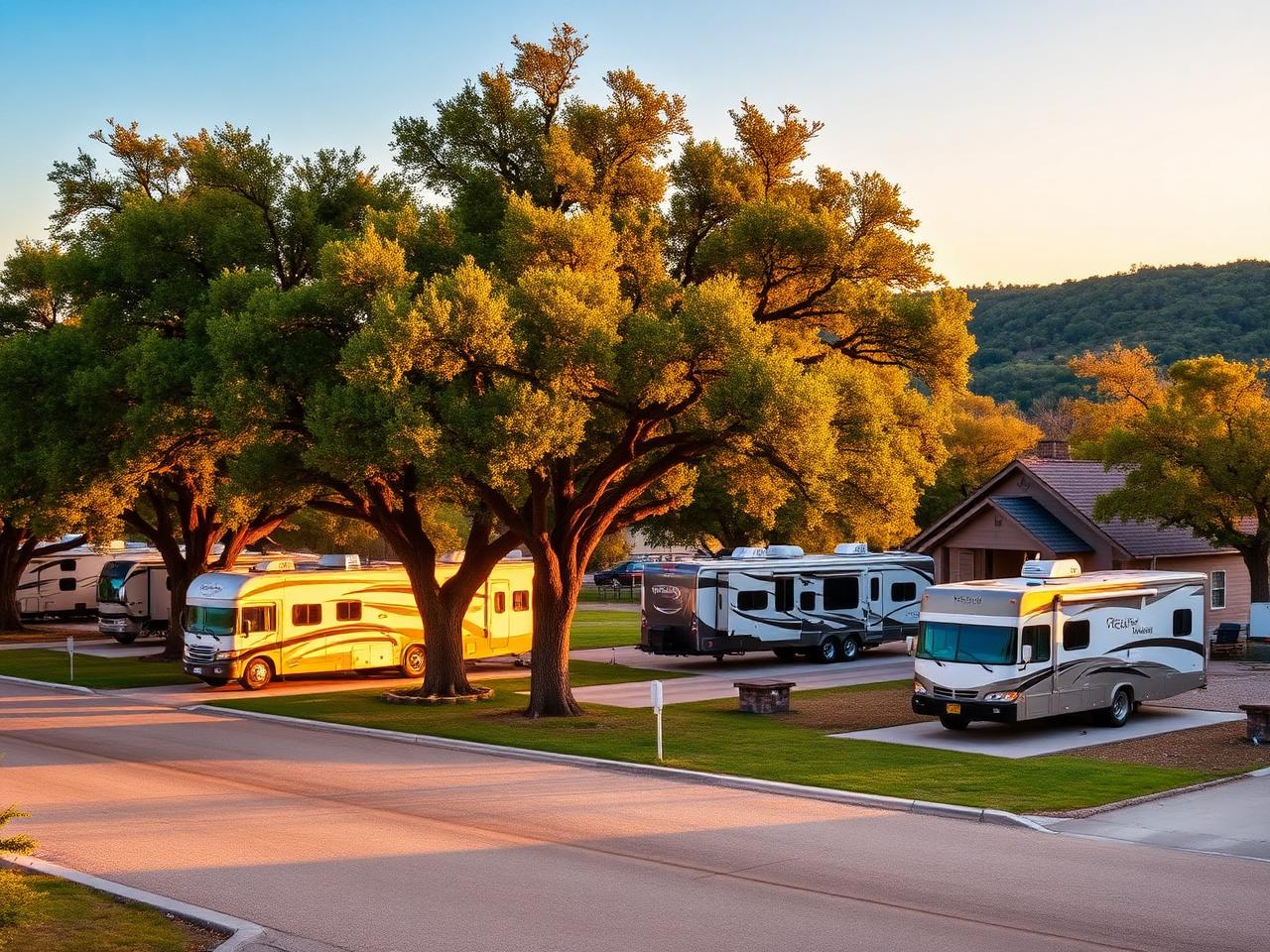
Operationally yes, but underwriting differs — boat/RV parking trades more like land with infrastructure than traditional storage. Demand drivers and seasonality are distinct.
What cap rate should I expect on a Texas storage facility?
Stabilized facilities in growth markets trade 6.0–7.5% caps in 2026. Value-add and tertiary-market facilities can pencil 8%+ but require a defensible execution plan.