Self-Storage · 8 min read · Updated June 2026
Self-Storage Investing in Texas: Beginner Guide
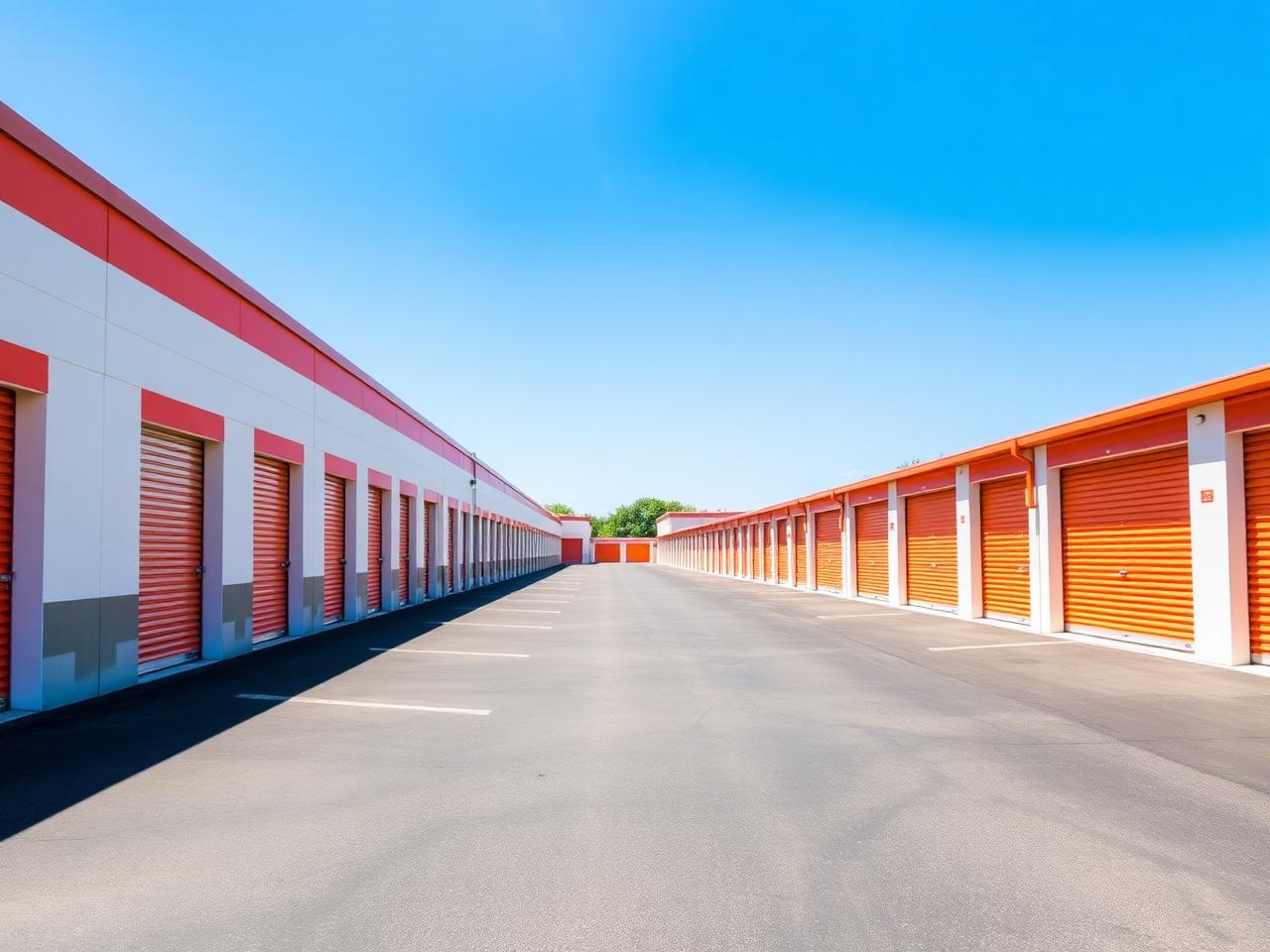
Self-storage is one of the most beginner-friendly commercial asset classes in Texas — operationally simple, financially transparent, and often available in workable sizes for a first-time commercial buyer. The catch: simple is not the same as easy. This guide is a beginner-level orientation.
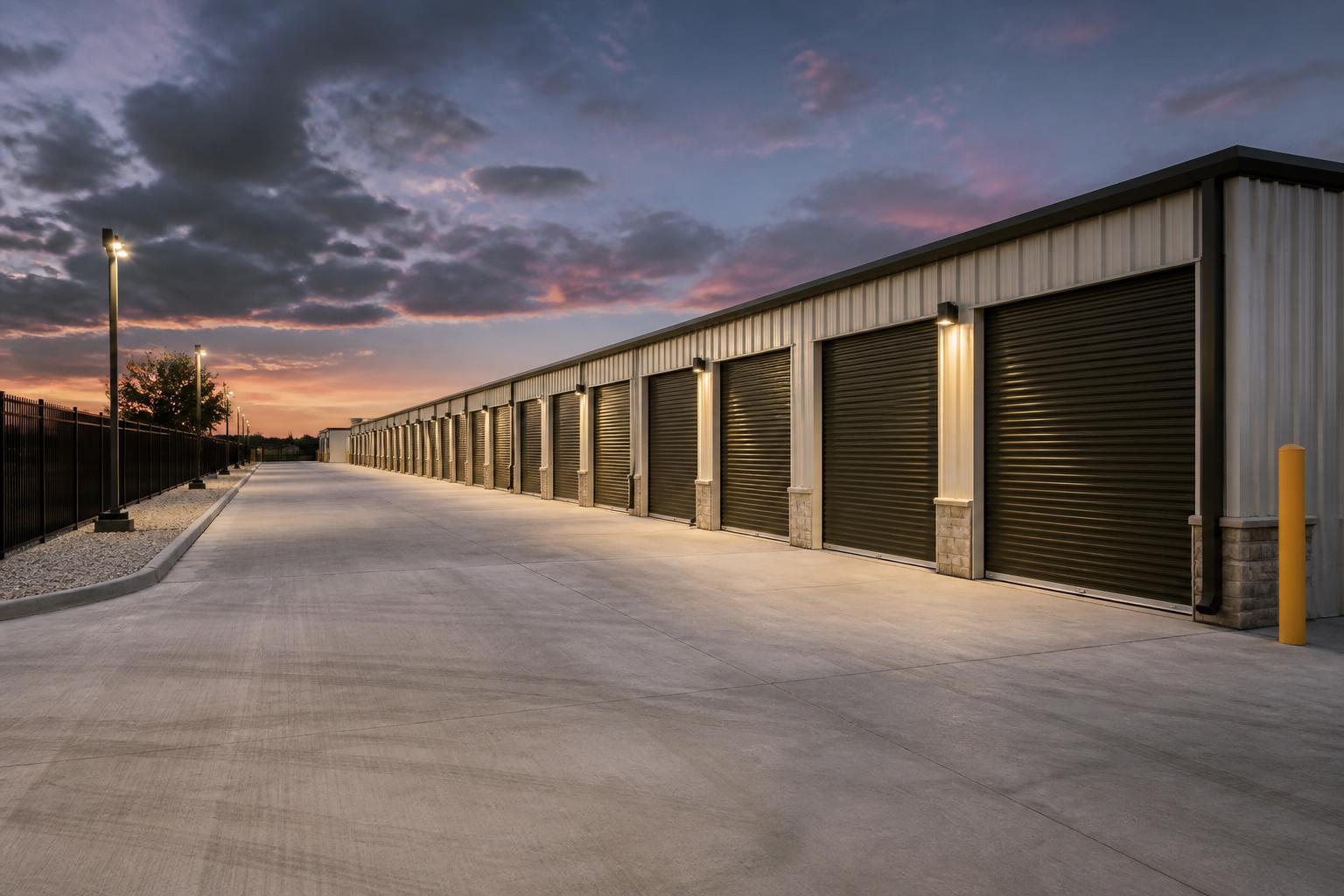
How the business actually works
Tenants rent units month-to-month. Income comes from rent, late fees, insurance, and ancillary services (truck rental, retail). Expenses are taxes, insurance, marketing, software, payroll or remote-management fees, and CapEx.
Margins are high relative to many asset classes because of low staffing intensity — but rate management and online presence drive most of the value.
What a beginner-friendly first deal looks like
20,000–60,000 net rentable square feet, in a growing trade area, with a clear value-add story (below-market rents, undermarketed online, mom-and-pop management). Smaller is easier to underwrite and finance; larger is easier to professionalize.
Financing your first storage deal
SBA 504 and 7(a) loans are popular for owner-operator buyers and can allow 10–15% down. Conventional commercial loans typically require 25–30% down with 5–10 year terms.
Next read: Self-Storage Investing in Texas: What to Look For
Common beginner mistakes
Trusting reported occupancy without reconciling to economic occupancy, underestimating Texas property tax re-assessments, and skipping the trade-area supply walk. Any one of these can erase a year of cash flow.
What a first-time Texas self-storage investor should actually evaluate
Self-storage is often pitched to first-time investors as a low-management alternative to residential rental. That's partly true — but only if you buy the right facility in the right submarket at the right price. Get any of those wrong and self-storage becomes exactly as management-intensive as residential, with the added complication that your tenants can auction their contents when they stop paying.
Start with demand. A viable Texas self-storage submarket typically has 5–8 square feet of storage per capita or less, growing household counts, and a mix of apartments and single-family within a 3-mile radius. Anything above 10 sq ft per capita is oversupplied — new investors talk themselves into these markets all the time because the facilities are cheaper, and then wonder why they can't hold occupancy above 70%.
Then underwrite the operation, not just the real estate. Model realistic occupancy (not the seller's stated 95%), a competitive rate per square foot in the specific submarket, real payroll or contract-management costs, insurance, property taxes reassessed to your purchase price, and a realistic capital reserve for gate systems, doors, and asphalt. The facilities that pencil at those numbers are worth pursuing; the ones that only pencil at the seller's assumptions are how first-time storage investors lose money.
Next read: Self-Storage Investing in Texas: What to Look For
New Braunfels investor demand is split across three property types — here's how to pick yours
New Braunfels is one of the most complete Texas investment markets because demand comes from three separate directions at once: long-term rentals tied to the I-35 employer base and the Austin-San Antonio commuter, short-term rentals tied to Schlitterbahn, the Guadalupe and Comal rivers, and Gruene, and land plays tied to the growth corridor pushing east and south. That breadth is the good news. The bad news is that each of those three property types plays by different rules.
Long-term rentals in New Braunfels pencil best in the workforce corridors near I-35, where 3-bedroom single-family and small multifamily lease quickly to commuters and local employees. STR properties concentrate along the rivers and near Gruene, and their economics depend heavily on New Braunfels city ordinances that have tightened over the last several years — always verify current permit status and any moratorium on the specific address, not the general area.
Land plays require the longest hold horizon and the most local expertise. Growth in New Braunfels is real, but which parcels get infrastructure first is a question of city planning, utility extensions, and school-district capacity — none of which are visible on the listing sheet. A first-time investor is usually better served by a rental in the I-35 corridor than a land bet on the fringe; a portfolio investor with a 10-year horizon may reasonably do the opposite.
Key takeaways
What to remember.
- Storage is simple — not easy. Diligence still wins.
- 20–60K NRSF is the typical beginner sweet spot.
- SBA financing can dramatically lower the entry capital.
- Always reconcile physical to economic occupancy.
FAQs
Frequently asked questions.
How much capital do I need for a first storage deal?
With SBA financing, $150–400K of personal capital can buy a $1.5–3M facility. Conventional loans typically require $400–800K for the same property.
Can I run a storage facility remotely?
Yes — modern kiosk and remote-management platforms make it standard, especially under 60K NRSF. Larger or mixed-use facilities often benefit from onsite staffing.
How is self-storage different from other commercial real estate?
Month-to-month tenancy means rent growth shows up faster, but it also means demand softness shows up faster. Operating intensity is lower than multifamily but higher than triple-net retail.